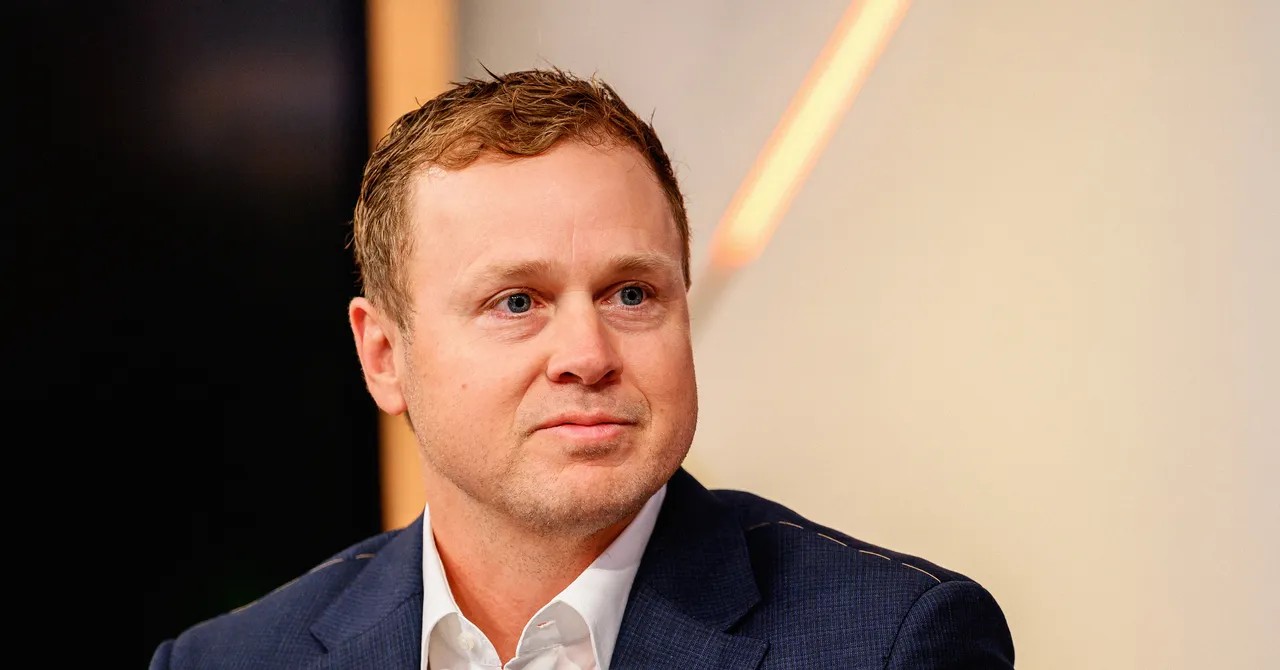
Spencer Pratt won. Sort of.
The former reality star—once the face of 2000s angst, now a mayoral candidate in LA—stole the show during his first debate. He didn’t debate policy. He performed fear. Turning to the camera, he attacked Mayor Karen Bass and Councilmember Nithya Raman. His weapon? A fictional drug called “super meth.”
Pratt claimed these people don’t want beds. He said they want drugs. He suggested Raman would get stabbed if she went beneath the Harbor Freeway to help them.
Viral material. Easy to digest. Terrifying.
“These people do not want a bed,” Pratt told the crowd. “They want fentanyl or super meth.”
But here is the catch. The drug he’s panicking about? It doesn’t exist.
The Science Says: No
Claire Zagorski is a paramedic. She also studies pharmacy. She heard Pratt. She rolled her eyes.
“Super meth isn’t real,” Zagorski says.
If a new, ultra-potent chemical were flooding the streets, labs would be ringing off the hook. There would be names for it. Codes for it. Instead, we just have Spencer Pratt making stuff up.
Pratt implies a dystopian tide of new chemistry. The reality is boring chemistry. It’s just meth. Always has been.
Sometimes it’s made with pseudoephedrine. Sometimes with a precursor called P2P (phenyl-2-propanone). Zagorski calls P2P meth “the molecular mirror-image” of the other kind. But the mirror image isn’t super. It’s just the other side of the same molecule.
Fun fact. You might recognize the process. It’s the same method Walter White used in Breaking Bad to cook large batches. Not because it was magic. Because it scaled well.
Where The Myth Came From
So where did “super meth” come from?
Likely a misremembered panic from journalist Sam Quinones. He wrote a book, The Least of Us. It described a wave of meth in the mid-2000s. Users claimed it made them aggressive. Paranoia-inducing.
Quinones later admitted in the Los Angeles Times that the term was inaccurate. That the drug wasn’t chemically unique. That “super meth” wasn’t exactly real.
Pratt doesn’t care. Or he didn’t look it up. His campaign didn’t comment. They let the soundbite ride.
The Real Danger
If meth is changing, it’s getting cleaner. Not scarier.
In 2020, European refiners cracked a code. A better way to separate molecular structures. They exported this tech to Mexico. Now manufacturers can recycle the bad stuff. Sell a purer product. At a lower price.
Zagorski says purity went up. Price went down.
Usage is ticking upward. But it’s a minor factor. The real driver? People can’t afford rent. Poverty. The inability to buy a safe place to sleep.
Nicky Mehtani treats homeless addicts in San Francisco. She’s heard Pratt’s pitch. She’s seen the data.
“P2P meth has been the dominant form for a decade,” she says.
Clinicians don’t call it “super.” Because it isn’t.
Why are people using?
“The most common reason is functional,” Mehtani says.
To stay awake. To guard belongings. To survive when society has decided their homelessness is a crime. It’s a survival mechanism. Pratt frames it as moral failure. Experts call it public health.
Panic As Policy
Ryan Marino is an addiction expert. He watches politicians use drug wars as cover. He’s seen this in San Francisco. In Portland.
“Pratt is using right-wing drug lies,” Marino says.
The same lies that failed before. When cities recriminalize drugs, overdose deaths go up. Homelessness gets worse. People vanish into the criminal justice system instead of clinics.
LA isn’t an outlier. Cities governed by strict Republican drug laws have just as many problems.
Marino’s prescription is boring. Effective. Housing. Treatment. Drug checking services. Regulating the supply.
Pratt won’t do any of that. He’s polling second. He’s winning by painting vulnerable people as “zombies” addicted to a mythical drug.
The “super meth” claim makes the crisis seem unfixable. If it’s super, medicine can’t help. Policy can’t help.
That might be the goal.
Not to solve the problem. Just to convince you the victims are beyond saving.