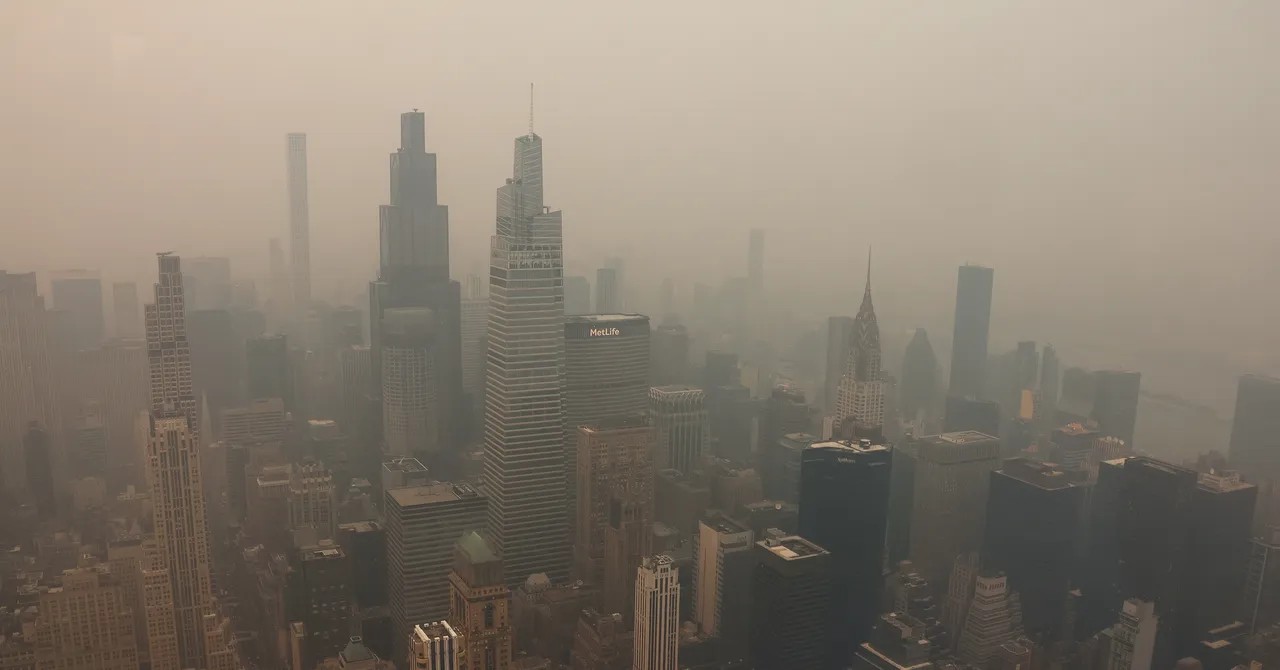
The Orange Sky Above the World Cup
Argentina faces Spain on Sunday. It is the final. It matters. The location? Just outside New York City. Beautiful. Hazy. Toxic, maybe.
Canadian wildfire smoke has dragged south. It blanketed the Midwest and East Coast. New Yorkers watched the air turn the color of rusted copper. The state issued an alert. Air Quality Index numbers climbed into the “very unhealthy” zone. Officials told people to stay inside. But the game is outdoors. Always has been. Always will be, apparently.
Here is the rub. FIFA does not have a wildfire smoke plan. Not one.
If the smoke hangs heavy on Sunday, the doors at the open-air stadium cannot shut. Lionel Messi and Lamine Yamal will kick. The fans will scream. And everyone will breathe it in. Burning throat? Check. Coughing? Sure. Headache? Likely. It is worse for kids, the elderly, and anyone with asthma. You don’t need a doctor to tell you that smoke isn’t fuel for high-performance engines.
Why Athletes Need Cleaner Air Than Fans
Courtney Howard is an ER physician. He told the Associated Press the blunt truth. Elite athletes move a lot of air through their lungs. They are bellows. If the air is hazardous, they shouldn’t be running laps.
Spain practiced in New Jersey on Thursday. They practiced while the air quality was poor. Why? Because the rules didn’t say otherwise.
FIFA ignores the haze. Or they pretend it is invisible. When asked about the smoke, FIFA gave zero answer. Silence. But remember last month? They gave a long quote about extreme heat. Mandatory water breaks. Coordination with host cities. “Climate-related risks,” they wrote. Sounds comprehensive. Until the climate isn’t heat, but particulate matter floating through your sinuses. Then it’s just a void in the policy manual.
Which Leagues Actually Cancel Games for Smoke?
Look at the rest of sports. They are trying. Sort of.
The National Women’s Soccer League (NWSL) has rules. A game at Citi Field last week? They added extra hydration breaks because the Air Quality Index hit 101. Unhealthy for sensitive groups? Add water breaks. Top 200? Very unhealthy. Cancel or postpone. It’s a binary decision. Safety over spectacle.
Major League Baseball rescheduled a game in Philadelphia this week. The smoke was too thick. Major League Soccer canceled a match in Chicago. Same story. The ball stopped moving. The air won.
FIFA? No such clause exists for them. So far, their gamble worked. The tournament spanned multiple regions prone to fires. The air cleared. Luck carried them through four weeks. Will it carry them through Sunday? Nicholas Watanabe at the University of South Carolina says maybe. But luck isn’t a contingency plan. It is just hope with better public relations.
“FIFA seems unprepared for these wildfires,” Watanabe noted. “At the same time, it looksLike the worst of the pollution will diss… wait, no.” It will dissipate. They will likely push forward. They will dodge a bullet. But you don’t bet your health on a coin toss.
Are Sports Organizations Ignoring the Climate Threat?
Trinity Rodman played in that NWSL game in the haze. She saw the extra water breaks. She called them out. “If we have to have a hydration break every fifteen minutes, then we shouldn’t play the game.”
She has a point. We treat heat like a variable. We accept it as part of the “climate risk” FIFA already mentioned. Smoke is different. It feels accidental. An Act of God, perhaps. But these fires are climate-related, too. The link is taut. The chain is tightening.
FIFA gets mad about commercial breaks now. People complain about the new hydration stops ruining the flow. Mr. Moneybags isn’t happy. But the players aren’t safe either. We have two options: protect the humans or protect the schedule. You cannot do both if the air is poison.
Sunday’s game might be clear. The forecast says moderate by kickoff. The orange tint might fade. We will see Messi and Yamal on prime time. No burning lungs. Just glory.
Or we will see what happens when the governing body of the world’s favorite game realizes it has no playbook for the atmosphere breaking down. They have protocols for heat. For cold? Maybe. For smoke? Silence.
Who wins if you can’t breathe?