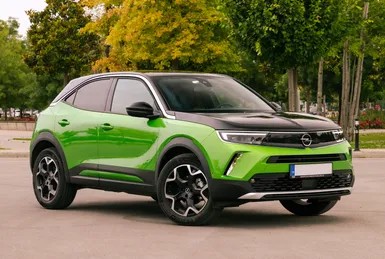
The Opel Mokka sits in the small crossover segment today. It feels modern. It feels European. But to understand the badge on the front grille you have to look back. Way back.
Opel AG is a German automotive company. It is a wholly owned subsidiary of Stellantis NV. The company specializes in passenger cars and light vans. Its headquarters are in Rüsselsheim Germany.
The origins are older than most realize. In 1898 five Opel brothers started converting their father’s factory. Adam Opel (1837–95) had built a business on bicycles and sewing machines. The sons saw something else. They turned it into an automobile complex. Before World War II this facility produced more cars than any other European plant.
The early days were messy. The first year yielded the Opel-Lutzmann. They abandoned it soon after. In 1902 they introduced their first original model. A twin-cylinder Opel.
Then came 1911. A fire destroyed the plant. Total loss.
Most companies fold after that kind of hit. Opel did not. They rebuilt from scratch. They used the disaster to retool with modern efficient equipment. By 1913 Opel trucks joined the product line.
World War I hit Germany. Production was restricted. Yet Opel pushed forward. They became the first German manufacturer to adopt the assembly-line method. Efficiency mattered.
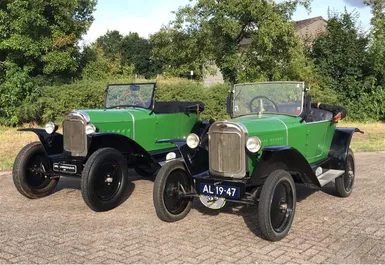
One model from this era stands out. The Laubfrosch. Or tree frog. It was a roadster. It was green. That color gave it the name.
The factory in Rüsselsheim was already a dominant force in European production before the war.
Why does this history matter for a buyer looking at a Mokka? It matters because the brand survived total destruction. It adapted. It adopted assembly lines before others. That resilience is baked into the corporate DNA.
When you buy an Opel you are buying into a lineage that pivoted from sewing machines to steel. From fire damage to assembly line efficiency. The Mokka is the current iteration. The roots are in Rüsselsheim.
The next phase of Opel’s history involves broader European integration and shifting market dynamics. That changes how the Mokka is positioned against rivals.
The weird lifecycle of an Opel
You look at those two 1925 Opel Laubfrosch cars. They sit there. Quiet. Expensive. But the money behind them? That part was never quiet.
The 1920s broke the bank. Literally. Hyperinflation in Germany didn’t just shrink savings; it shattered confidence. The Opel family couldn’t hold the line against the economic chaos. They sold out. General Motors bought the company. It wasn’t a partnership. It was a survival move.
Then came the war. And the defeat.
Opel didn’t just lose the war. They lost the factory floor. The Soviet Union dismantled parts of the facility and shipped them east. Industrial espionage? Maybe. Looting? Sure. But Opel kept going. They restarted production with what was left. That’s resilience or desperation depending on who asks.
Fast forward. The landscape changes again.
In 2017, PSA Group—the French makers of Peugeot and Citroen—snapped up Opel. It was a bet on European integration. Then the chips shifted. PSA merged with Fiat Chrysler. The result? Stellantis. By 2021, Opel was no longer German-owned. No longer American. It became a subsidiary of this massive, messy conglomerate.
History repeats. Ownership rotates. The cars stay the same.
Why does this matter to you? If you’re buying vintage, you’re buying into this instability. A 1925 Laubfrosch isn’t just metal. It’s proof that a brand can survive being sold to an American giant, stripped by an enemy state, and folded into a transatlantic merger.
Most companies don’t make it that far. Opel did.