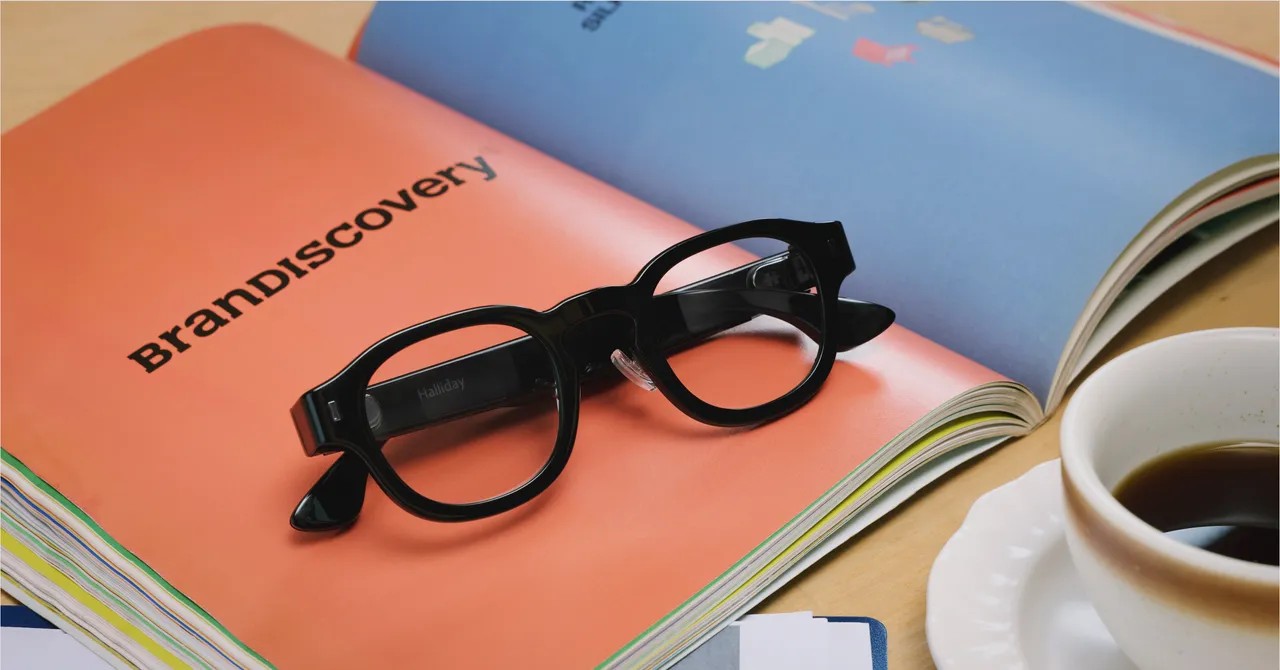
The wait is over. If you’ve been hovering over your credit card wondering whether to leap into the pool of wearable AI, the new Meta-branded smart glasses are finally on sale. The price tag? $299. It’s a significant drop from the premium tier, making this hardware accessible in a way that previous generations weren’t. But let’s be clear: this isn’t just a rebrand. It’s the same core experience housed in a shell that feels less like a gadget and more like a legitimate accessory.
What Makes Meta’s New Smart Glasses Different
You might be asking, how do these stack up against the Ray-Ban Meta smart glasses? Spoiler alert: they share the same DNA. We are talking identical specs across the board. The camera, the microphones, and the on-device chatbot functionality remain exactly where you left them. You get the same high-fidelity audio, the same 12MP photo capabilities, and the same ability to have real-time conversations with AI.
But there is a twist. Meta isn’t just selling utility here; they are selling style. The new lineup comes in three distinct styles. That’s not a typo. And if celebrity culture is your benchmark for cool, one of those frames was codesigned with Kylie Jenner. Yes, really. While the tech is identical, the aesthetic shift is deliberate. Meta is trying to prove that you don’t need to look like a sci-fi extra to carry an AI assistant on your face.
The Rise of the Privacy-Conscious Wearable
This launch arrives at a time when privacy is top-of-mind for almost everyone. Remember that confusing mess surrounding Meta’s NameTag face recognition tech? Executives danced around the existence of the system, dropping conflicting remarks that left consumers and regulators equally baffled. Does it exist? Does it record? The ambiguity was exhausting.
While these new glasses don’t solve every ethical dilemma in wearable tech, the physical design choices hint at a market that is listening to complaints about surveillance. We’ve already seen competitors like Solos introduce smart glasses with clip-on privacy shields. Meta hasn’t gone that far, but the mainstreaming of smart glasses—evidenced by third parties creating clip-on frames —suggests the industry is maturing. The tech is getting better, yes. But the social contract around wearing it is being rewritten.
Is It Worth the Upgrade?
If you already own the original Ray-Ban Meta glasses, you aren’t getting a massive leap forward in capability. The camera is the same. The mic is the same. The AI is the same.
But if you are sitting on the fence, wondering which smart glasses to buy, the answer shifts. The availability of multiple frame styles removes the biggest barrier to entry: style anxiety. You can wear these to a meeting, to the gym, or to dinner without feeling like you’re wearing a prop.
Compare this to the Sony Headphones deals flooding your inbox, or the Eufy Floodlight Camera sales for home security. These are transactional. They are tools. The Meta glasses are different. They are an extension of your voice and your view. They require you to accept a new layer of always-on connectivity.
The Subscription Question
Here is the part that shouldn’t surprise us, yet always does. Meta is charging a subscription for smart glasses features. You buy the hardware for $299. But to unlock “expanded access” to the most advanced AI capabilities? You’re looking at a recurring fee. Welcome to the new era of consumer tech. The hardware is the loss leader; the subscription is the business model.
It’s annoying. It’s predictable. It’s also likely how companies will fund the rapid improvements in Apple’s Siri and Google’s Gemini integration. The hardware gets cheaper. The service gets deeper.
So, should you buy them today? If you want the freshest frame designs and a lower entry price into the ecosystem, yes. If you hate monthly fees for features that might come standard in a year? Wait. Or stick with a simple pair of **Sony WF-1000XM5