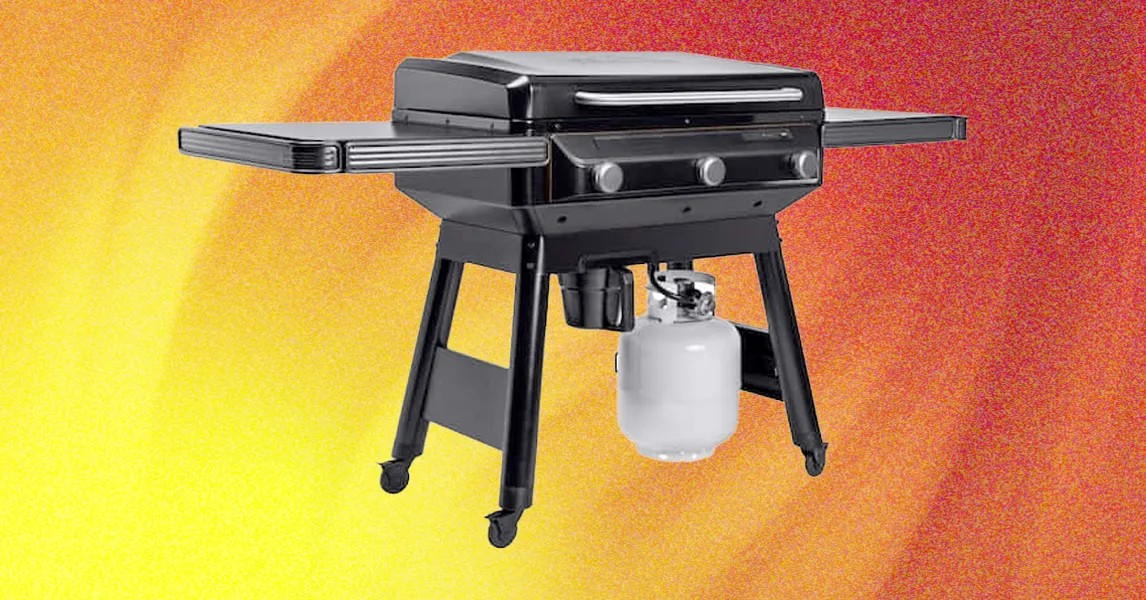
Short order food is America’s secret weapon. Diner style. Backyard style.
I didn’t want mediocre iron slabs for this test. I dug through the forums. Read the Reddit threads. Checked Amazon bestsellers and Home Depot’s moving stock. I skipped the tiny inserts. If you want to cook on your indoor stovetop, do that. This was for the big boys. The standalone units worth the driveway real estate. I even looked at weird stuff. Digital temp displays. Air fryer hybrids.
The food list was simple but demanding.
– Smashburgers. Crust or bust.
– Pancakes. Evenness check.
– Eggs and bacon. Low-temp precision.
– Skin-on fish. Sear power.
– Pork chops. Heat retention under heavy load.
– Asparagus. Delicate veggies next to screaming hot meat.
I smashed burgers at maximum temp. Wanted to see if the metal could caramelize beef fast enough to let go of the spatula. I spread pancakes out thin to find cold spots. I seared thick chops to watch the flame die.
Heat speed is a liar. Fast heating doesn’t mean consistent cooking. Some griddles sprint to 500°F then drop the ball. The Traeger Flatrock 3 took 10 minutes to hit 500. Worth the wait? Yes. Every square inch stayed uniform.
Assembly matters. I built them all. Screwing in legs and burners teaches you a lot. It’s humbling work.
Cleaning and seasoning is half the job. Seasoning isn’t magic non-stick sauce. It’s armor. You heat oil past its smoke point. It polymerizes. Turns into a hard shell that stops rust. Non-stick? Maybe. Rust prevention? Definitely.
New griddle in hand. Check the label. Some need soap scrubbing first. Shipping oil is nasty. The Weber Slate comes ready to rock. Pre-seasoned. Good design.
Don’t treat seasoning as a one-off. Do it every two or three cooks. Wear and tear is real. Use plant oils. High smoke point. Grapeseid. Avocado. Canola in a pinch. Two tablespoons max. Don’t drown it.
Get your tongs. Paper towels. Fold them thick. Grip with tongs. Spread a thin film at 300°F. Let it smoke above 400°F. Wait. Cool. Repeat if the surface looks patchy. Eventually it goes black-brown and tough. Then a single coat keeps it happy.
Seasoning is protection. Not magic.
Cleaning is weird for beginners. Soap is forbidden. Usually. Unless the manual screams otherwise for the very first use. Otherwise soap kills the patina you worked so hard for.
Scrape first. Hard. Drop the char into the trap.
Water helps. Just a splash. Steam rises. Deglaze those stuck bits. Wipe with paper towel. Hold the towel with tongs. Don’t burn your fingers. Stubborn crust? Salt. Use it like sandpaper. Scrub it off. Sweep the debris into the trap.
When done cooking and cleaning? Oil it again. Light coat. Tongs and towel. Let it sit. It protects the iron while the grill cools in the rain. Or sits in the shed.
It’s work. But then you’re eating pancakes at 11 AM that taste like a 1970s diner counter. 🍳
Does the rust prevention pay off? The meat says yes.
But how do you keep that black surface looking brand new after year three of weekend benders?