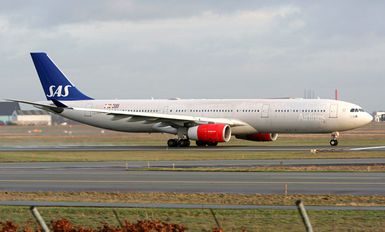
The sky above Scandinavia has always been a contested space. What began as a post-war necessity is now a complex corporate ecosystem. The story of SAS isn’t just about flying planes. It is about survival.
In 1946, three nations decided they were too small to fly alone. Denmark, Norway, and Sweden pooled their resources. They created the Scandinavian Airlines System. This wasn’t a merger in the traditional sense. It was a consortium agreement between three distinct national carriers. Det Danske Luftfartselskab from Denmark. Den Norske Luftfartselskap from Norway. And Svensk Interkontinental Lufttrafik AB from Sweden.
The ambition was immediate. That same year, the new airline launched its first intercontinental commercial flight. The route? Stockholm to New York. A bold move. The US market was open. The war was over. The future was long-distance travel.
By 1951, the individual carriers had handed over all operations to SAS. The three flags remained, but the planes were unified. The entity was singular. This structure held for decades. It became a symbol of Nordic cooperation.
Then came the early 21st century. The airline industry was changing. Competition was fierce. Costs were rising. The old model was breaking.
SAS split again. This time, it fractured into four separate carriers. One based in each of the three founding countries. And another dedicated to international flights. They all kept the SAS name. The brand was too valuable to lose. But the operational reality was fragmented.
Today, the SAS Group operates scheduled passenger, freight, and mail flights. The network is vast. It covers more than 100 cities around the world. From Copenhagen to New York. From Stockholm to Tokyo. The efficiency gains are real. But so are the complexities.
Think about the sheer number of moving parts. Four carriers. One brand. A hundred destinations. How do you keep the service consistent when the ownership is split?
The answer lies in the history. The original 1946 agreement was built on shared risk. That spirit still dictates how the airline operates. It is not perfect. But it works.
For travelers, this means choices. You might book on a Danish-operated Airbus A330. You might fly on a Norwegian-maintained fleet. The experience varies. The destination remains the same.
The numbers tell the real story. Over 100 cities. Daily flights. A legacy of 75 years. The airline industry is brutal. Most carriers do not last that long. SAS did. Why? Because it adapted.
It started as three airlines. It became one. It split into four. The name stayed. The mission stayed. The sky remains the same.
What will the next chapter look like? No one knows. But the planes keep flying.