The link between faith and finance is often ignored today, but it was central to how the modern economy emerged. At its core is the Protestant ethic, a concept that redefined success. It is not just about being busy. It is the belief that hard work, thrift, and efficiency in one’s worldly calling are more than just habits. In the Calvinist view, they are evidence of divine favor. They are signs of election. They are proof of eternal salvation.
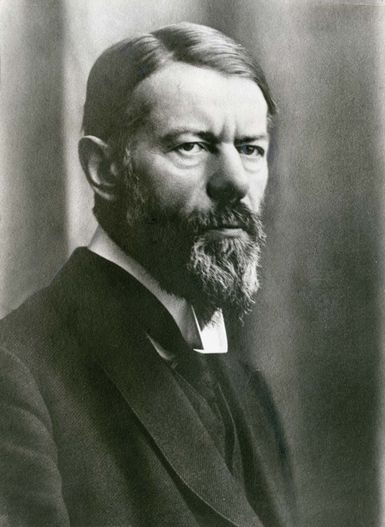
Max Weber explored this connection in his famous 1904–05 work, The Protestant Ethic and the Spirit of Capitalism. His argument was simple but disruptive. He suggested that the economic rise of Protestant groups in early European capitalism was not accidental. It was driven by theology. For Calvinists, worldly success was not a sin. It was a signal. If you were prosperous and disciplined, perhaps you were among the saved. This anxiety drove rigorous pursuit of wealth.
The ethic went deeper than greed. It rested on a rejection of “the worship of the flesh.” Material pleasure was suspect. Instead, resources were to be used fruitfully. Every asset had a purpose. Life became ordered and systemized. This structure was economically significant. It created the conditions for capitalism to grow. Discipline replaced indulgence. Calculation replaced tradition.
Critics quickly challenged this view. Kurt Samuelsson pushed back in Religion and Economic Action (1957). He argued that Weber ignored other drivers of economic behavior. The religious motivation was not the sole engine. Other factors mattered. The link between faith and finance was weaker than Weber claimed.
R.H. Tawney offered a different angle in Religion and the Rise of Capitalism (1926). He accepted Weber’s basic premise but expanded it. Political pressures shaped the economy too. Social structures played a role. The spirit of individualism mattered. Self-help and frugality were cultural traits. They preceded and exceeded theological doctrine.
So, which matters more? Calvinist theology or broader social shifts? The debate continues. Weber provided a lens. He showed how values influence markets. But the picture is incomplete. Capitalism did not rise from belief alone. It rose from pressure, politics, and human adaptation.
The legacy of the Protestant ethic remains. It teaches that behavior has economic consequences. It reminds us that culture shapes commerce. But it is not a standalone explanation. It is one thread in a complex tapestry.
Why do we still care? Because the questions are still relevant. How do values drive spending? How does thrift influence investment? The answers are not simple. They require looking at history, psychology, and policy.
There is no perfect model. There is only the messy reality of human motivation. People work for money. They also work for meaning. Sometimes both. The balance shifts. The economy changes. The story does not end.