Security cameras are everywhere now. Cheap. Abundant. Problem is, lots of people hate them.
Maybe you don’t want a lens trained on your living room. Maybe you worry about hackers getting into your cloud footage. Or perhaps the idea of your private chats being picked up by a microphone feels like a step too far. Even when I review cameras, I get it.
You don’t actually need video to protect your home. You just need to know someone is there.
I tested a bunch of motion sensors and privacy-first gadgets that alert you without filming you. It turns out you can be safe and private. Here is what actually works for a home security system without cameras.
How to detect intruders with radar (no apps needed)
Sometimes old-school works better.
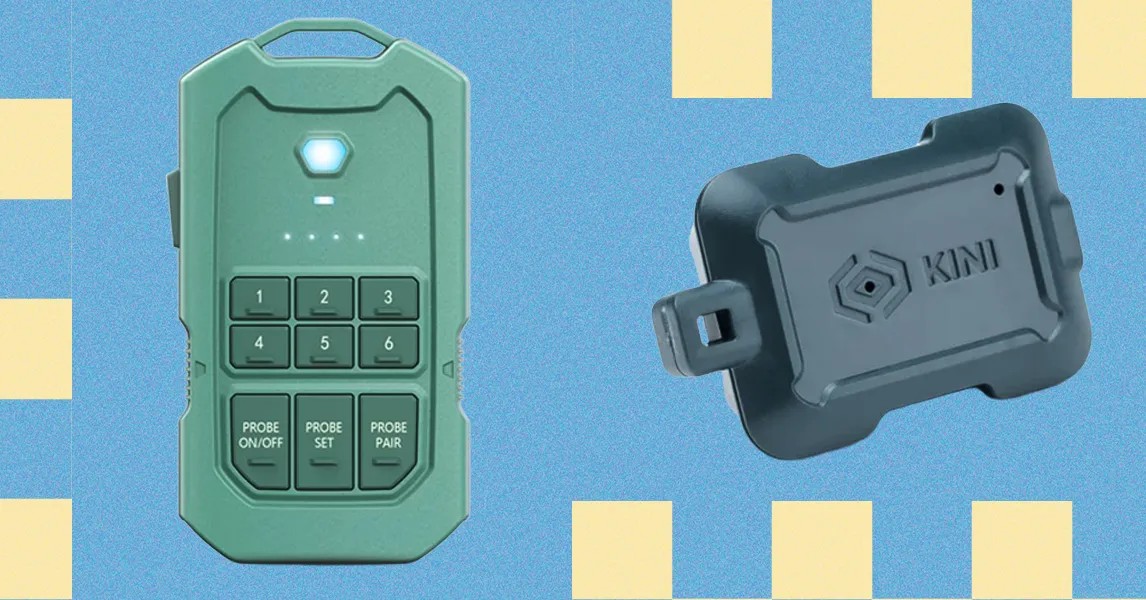
If you have a large property, a yard, or maybe an RV, a radar-based motion sensor is a powerhouse. These don’t use Wi-Fi. No apps. No cloud subscriptions.
The setup is simple: turn on the receiver, pair the detector, and you are live. The alarm sounds when something moves in its range—up to half a mile.
It’s rugged. IP65 rating means rain won’t kill it.
Why choose this:
– Zero privacy risk. It sends radio waves, not data.
– Covers huge areas where a single camera struggles.
– Works for outbuildings, campsites, or driveways.
The catch:
The battery. You charge it every five days. I’d grab a USB-C solar panel for a permanent install. Also, the setup for extending the detection zone was a headache. The manual isn’t clear, and moving inside the zone while pressing buttons is fiddly.
But once it’s running? It works. It detected me walking through a side passage. It even caught my cats. It didn’t scream when the wind blew the bushes over.
Radar ignores leaves. It cares about mass.
Each detector costs $120. Get six for a full perimeter, or just one for your most vulnerable entry point.
Monitoring drawers, cabinets, and safes with precision sensors
What if the problem isn’t your front door, but your gun safe? Or a medicine cabinet you want to watch?
Enter the Kini sensor.
It’s tiny. It has three-axis movement detection. You stick it to a wall or strap it to a cabinet with the included tether. It talks via 2.4-GHz Wi–Fi, but the data handling is cleaner than most smart devices.
Kinisium, the maker, claims they don’t harvest your data. You can turn off activity logs if you want total anonymity.
How to configure it:
– Adjust sensitivity so a breeze doesn’t trigger it.
– Set a “cool-down” period to stop alert spam.
– Use Stasis mode for a different twist.
Stasis mode flips the logic. Instead of alerting you when movement happens, it alerts you when movement stops or fails to occur within a set window.
Use case?
Check if an elderly relative took their medicine by seeing if their cabinet was opened at 9 AM. Or verify if your dog walker actually arrived. It’s smart monitoring, not just intrusion detection.
I put one in a drawer. Every time the drawer opened, my phone buzzed. Accurate. Consistent. No video needed.
Which presence sensor fits your smart home hub?
If you already have a smart home, you probably have the hardware. You just need the right brain.
Not all sensors work alike. Some need hubs. Some lag. Some cost more but do more.
Here is the breakdown of the best motion detectors without cameras based on my testing:
- Aqara FP2 Presence Detection ($83) : This uses mmWave technology. It doesn’t just see “something moved.” It tries to count people. It misses sometimes—maybe thinking two people are there when one is sitting still. But for zonal awareness, it’s top tier.
- Aqara FP30 ($50) : Cheaper. Good enough for most people. Tracks light, humidity, and temp too. A solid all-rounder.
- Switchbot Presence ($30) : The budget pick. Works fine. But you must have the Switchbot hub to get alerts, and there is a noticeable lag. Detection to notification? Several seconds. That matters if you want real-time peace of mind.
- Eve Motion Sensor : Great hardware. Works indoors and out. But here’s the kicker: no native app for alerts. You have to connect it to a smart hub and build an automation scene. If you don’t know how to code automations, skip it.
Note on Ecosystems:
- Philips Hue makes great outdoor sensors, but they only work if you have the Hue Bridge. It’s a locked garden.
- I set one up with Google Home. It triggered my outdoor light strips and sent me a text via Google Assistant between midnight and 6 AM. Very effective for night security.
Using Wi-Fi and Zigbee signals instead of hardware sensors
Did you know your light bulbs can detect people?
You don’t always need a box plugged into a wall. The light itself can do the heavy lifting.
Wiz SpaceSense
Wiz uses the Wi-Fi signals between their bulbs to detect changes in the room. No radar. Just RF reflection.
Is it reliable?
Barely.
I wasn’t impressed during testing. Lag was significant. If you want to trigger lights, it’s okay. But if you are waiting for an alert while you are away, that lag feels dangerous.
The upside? It’s free if you have Wiz lights. No extra subscription.
Philips Hue MotionAware
Similar concept, different protocol. This uses Zigbee mesh. Better signal stability.
However, Signify (the parent company) puts alerts behind a paywall.
– Turning on lights? Free.
– Getting notified? $1/month.
– Included in the premium “Hue Secure” sub for $4/month.
Does the signal-based detection justify a subscription? Probably not, unless you already hate plugging things into walls.
What is the best all-privacy alternative?
You have options.
For large outdoors spaces, go radar.
For specific drawers and safes, use inertial sensors like Kini.
For whole-home presence, lean into mmWave like Aqara.
If you just want a set-it-and-forget-it setup, look at modular systems like Simplisafe. They offer base stations and door/window sensors without requiring camera feeds.
Privacy is a spectrum. But it’s one worth choosing.
Most people install cameras out of habit, not need. They fill the house with lenses that watch everything, store data on servers they can’t touch, and hope for the best.
You can build a shield without the eye. You can know someone is there without seeing their face.
Why film what you don’t need to keep?