For many retirees, the grocery aisle is a battlefield between budget constraints and the desire for high-quality nutrition. The conventional wisdom is simple: buy the store brand, skip the premium labels, and save money. While this strategy works for staples like paper towels or canned vegetables, it fails when applied to items where quality directly impacts health outcomes, longevity, and daily enjoyment.
There is a growing consensus among nutritionists and financial planners that strategic spending on specific high-impact foods can yield better health returns than blanket cost-cutting. For seniors, who often have specific needs regarding heart health, inflammation, and nutrient absorption, paying a premium for certain ingredients isn’t just about luxury—it’s an investment in well-being.
Here are six grocery items where the extra cost is justified by tangible benefits in nutrition, flavor, and health.
1. Extra Virgin Olive Oil: The Anti-Inflammatory Essential
The difference between genuine extra virgin olive oil (EVOO) and cheaper, refined alternatives is not merely a matter of taste; it is a matter of chemistry. Authentic EVOO is cold-pressed, preserving a high concentration of polyphenols and antioxidants. These compounds are linked to significant anti-inflammatory benefits, a key component of the Mediterranean diet which is widely recognized for supporting longevity and cardiovascular health.
Why it matters for retirees:
Inflammation is a silent driver of many age-related conditions, from arthritis to heart disease. Cheap olive oils are often heavily processed, stripping away these beneficial compounds. If you cook at home regularly, the few dollars extra per bottle of high-quality EVOO provide a daily dose of protective nutrients that cheaper oils simply cannot match.
2. Wild-Caught Salmon: Superior Heart and Brain Fuel
Not all salmon is created equal. Farmed salmon, while affordable, often contains lower levels of essential fatty acids and higher levels of contaminants compared to its wild counterpart. Wild-caught salmon is richer in omega-3 fatty acids, specifically EPA and DHA, which are critical for maintaining cognitive function and supporting heart health.
The nutritional gap:
* Omega-3 Content: Wild salmon typically offers a more potent profile of these essential fats.
* Flavor and Texture: The deeper color and stronger flavor of wild salmon indicate a more natural diet and lifestyle for the fish.
For seniors who rely on fish as a primary protein source, upgrading to wild-caught is one of the most direct ways to boost nutritional intake without changing eating habits.
3. Pasture-Raised Eggs: More Than Just Protein
Eggs are often cited as an economical protein source, but the quality of that protein varies drastically depending on how the hen is raised. Conventional eggs come from hens kept in confined spaces, whereas pasture-raised eggs come from hens with genuine access to the outdoors and a natural diet.
The nutrient difference:
Research indicates that pasture-raised eggs contain significantly higher levels of:
* Vitamin D: Crucial for bone health and immune function.
* Vitamin E: A powerful antioxidant.
* Omega-3 Fatty Acids: Supporting overall cellular health.
For retirees who eat eggs frequently, this upgrade transforms a basic staple into a nutrient-dense superfood, justifying the higher price tag through enhanced health benefits.
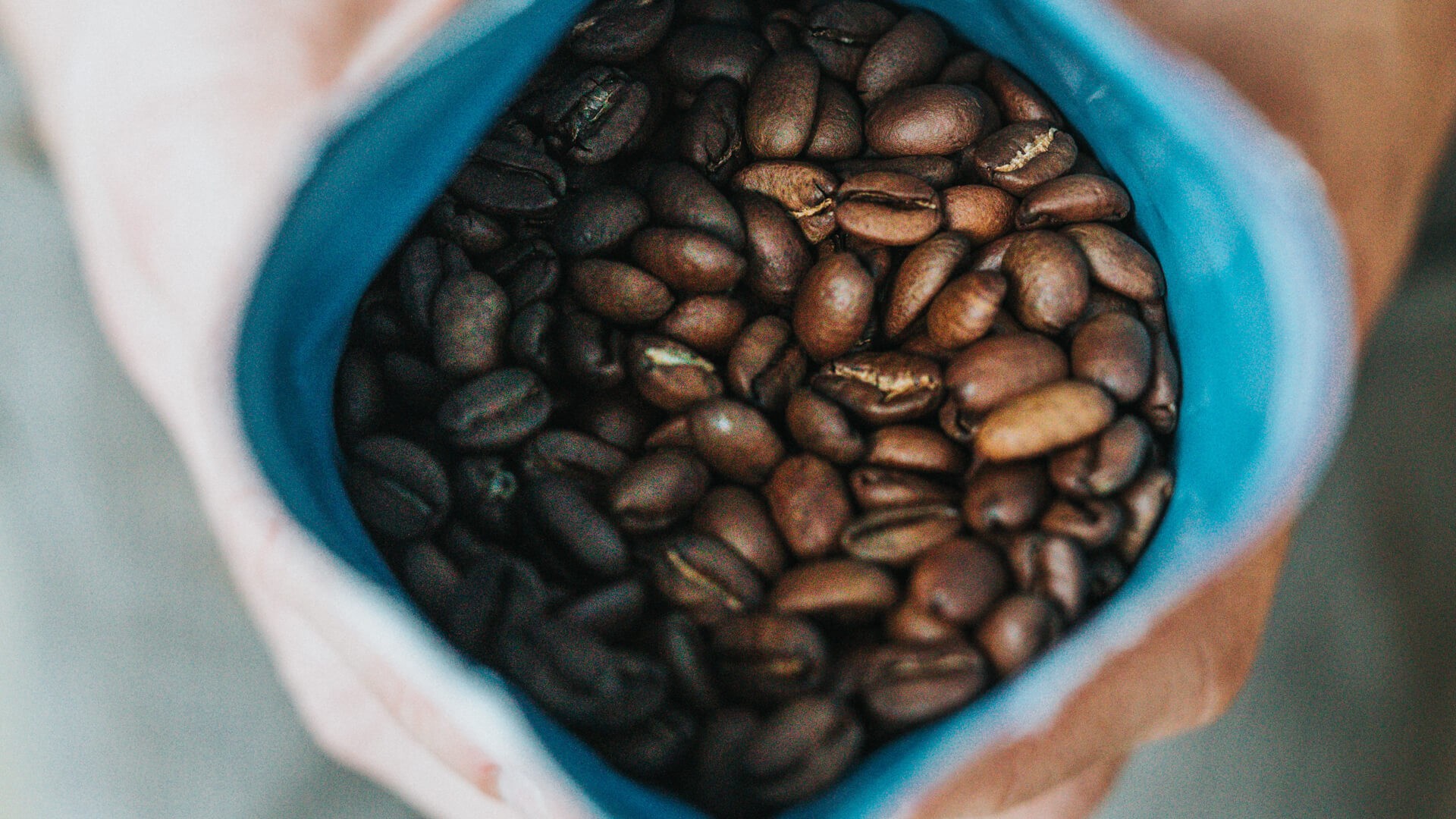
4. Whole Bean Coffee: Freshness You Can Taste
The decision between whole bean and pre-ground coffee is often overlooked, but it has a profound impact on both enjoyment and waste. Coffee begins to lose its aromatic compounds and flavor profile within days of being ground due to oxidation. Pre-ground coffee is essentially stale by the time it reaches your shelf.
The practical benefit:
Whole bean coffee retains its freshness until the moment you grind it. This results in a noticeably better cup of coffee with complex flavors that pre-ground options lack. Furthermore, because whole bean coffee stays fresh longer, you may find yourself buying less frequently or wasting less product, potentially offsetting the initial price difference. For the daily coffee drinker, this is an upgrade in both quality and efficiency.
5. Manuka Honey: Functional Medicine in a Jar
While regular honey is a pleasant sweetener, Manuka honey is a functional food with documented medicinal properties. Originating from New Zealand, Manuka honey contains high levels of methylglyoxal (MGO), a compound responsible for its unique antimicrobial and antibacterial effects.
Why it’s different:
Standard honey lacks these specific therapeutic properties. Manuka honey is often used to soothe sore throats, aid in wound healing, and support digestive health. For retirees managing minor health issues or looking for natural ways to support immunity, Manuka honey serves a purpose beyond sweetening tea—it acts as a mild, natural remedy.
6. High-Quality Dark Chocolate (70%+)
Note: While the original list included five detailed items, the title promised six. Based on common nutritional advice for seniors, high-quality dark chocolate is the sixth logical inclusion often cited alongside these items.
Dark chocolate with a high cocoa content (70% or higher) is rich in flavonoids, antioxidants that support heart health and cognitive function. Unlike milk chocolate, which is high in sugar and low in beneficial compounds, premium dark chocolate offers a dense nutrient profile in a small serving.
The health angle:
Moderate consumption of high-quality dark chocolate has been linked to improved blood flow and reduced risk of heart disease. For retirees, this provides a delicious way to incorporate antioxidants into their diet without the sugar spike associated with cheaper, sweeter alternatives.
Conclusion
Saving money on groceries is important, but it shouldn’t come at the expense of health and quality. By shifting focus from blanket cost-cutting to targeted premium spending, retirees can enhance their nutritional intake, reduce inflammation, and improve their daily quality of life.