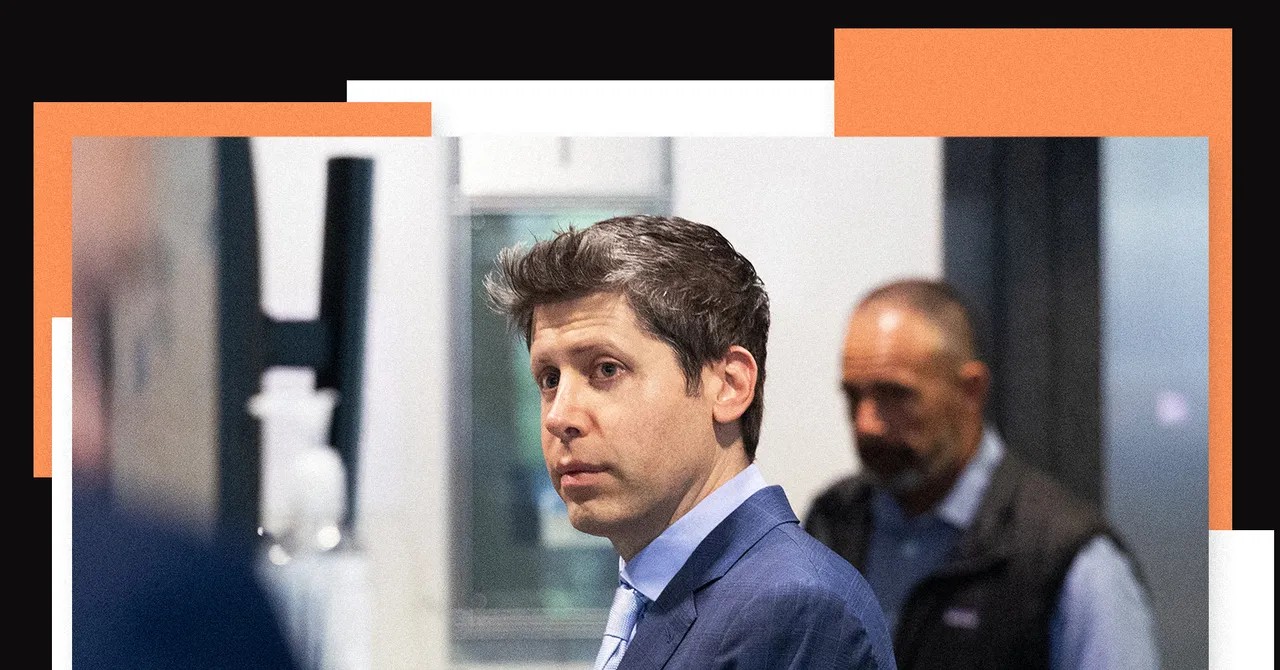
Sam Altman, CEO of OpenAI, took the stand on Tuesday to defend his reputation against allegations of deception in the ongoing legal battle with Elon Musk. The cross-examination marked a significant shift in the trial’s dynamic, offering Musk’s legal team a platform to challenge the OpenAI chief’s integrity and highlight potential conflicts of interest.
While Musk’s lawsuit alleges that Altman effectively “stole” the nonprofit organization—diverting Musk’s initial $38 million donation into a for-profit venture now valued at over $850 billion—the day’s testimony revealed deeper fissures in Musk’s case. Specifically, it underscored the legal hurdle of the statute of limitations and raised questions about Altman’s financial entanglements with companies that supply critical infrastructure to OpenAI.
The “Hair-Raising” Proposal and Historical Tensions
During his direct examination, Altman portrayed himself as a principled entrepreneur deeply concerned with the safety and trajectory of artificial intelligence. He recounted early interactions with Musk, describing a “particularly hair-raising moment” when the Tesla CEO suggested that control of OpenAI should pass to his children in the event of Musk’s death. Altman stated that he and his colleagues were deeply uncomfortable with this proposition, viewing it as an overreach into the organization’s governance.
Altman also characterized Musk’s 2018 attempt to launch an AI unit within Tesla as a “vague, lightweight threat,” suggesting that Musk intended to compete with or crush OpenAI regardless of Altman’s involvement. This narrative aims to paint Musk as a control-obsessed figure, contrasting with Altman’s self-presentation as a steward of public interest.
Aggressive Cross-Examination on Integrity
Steven Molo, representing Musk, launched an immediate and aggressive cross-examination, focusing squarely on Altman’s trustworthiness. The opening exchange set a confrontational tone:
Molo: Are you completely trustworthy?
Altman: I believe so.
Molo: Do you always tell the truth?
Altman: I’m sure there is some time in my life where I have not.
Molo: Do you tell lies to advance your business interests?
Altman: No.
Molo proceeded to catalog accusations from former OpenAI executives, including Ilya Sutskever and Mira Murati, as well as co-founders of rival firm Anthropic. He even dredged up allegations from Altman’s tenure at Loopt, a location-sharing startup, nearly 15 years ago, alleging misrepresentation of user metrics. Altman generally deflected these inquiries, stating he was unaware of specific allegations or that such opinions were subjective.
Financial Conflicts and the “Stewardship” Defense
A critical segment of the testimony addressed Altman’s personal investments in companies that have commercial ties to OpenAI. This issue gained urgency following a letter from a House oversight committee seeking information on potential financial conflicts.
Altman confirmed significant equity stakes in several key partners:
* Helion Energy: Altman holds a nearly $2 billion stake. OpenAI has an agreement to purchase energy from Helion if its nuclear fusion technology succeeds, though Helion currently sells no energy.
* Stripe: Altman owns a $600 million stake. Stripe processes payments for OpenAI.
* Reddit and Cerebras: Altman is an investor in both, which have data and hardware partnerships with OpenAI.
In response to these disclosures, Altman argued that he has been an exceptional steward of the organization. He highlighted that OpenAI’s nonprofit arm holds an equity stake in the for-profit entity worth more than $200 billion. “I do not believe I could have taken any other actions to get $200 billion into a nonprofit,” Altman testified, framing his financial interests as aligned with the organization’s massive growth and resource acquisition.
Legal Hurdles and Power Dynamics
Despite the heated exchanges, Musk’s legal case faces substantial structural challenges. Testimony from Altman and Sam Teller, Musk’s former chief of staff, indicated that Musk never attached specific conditions to his donations that would legally bind OpenAI to remain nonprofit. Furthermore, legal experts note that Musk may have filed the suit too late; the statute of limitations likely expired years after his last donation and the emergence of his suspicions regarding the organization’s direction.
The trial also touched on the internal power struggles within OpenAI. Molo presented text messages between Altman, Microsoft CEO Satya Nadella, and Bret Taylor from the weekend following Altman’s brief firing in 2023. The messages suggested coordination on appointing a new board, including Taylor himself, who later became board chair. Altman defended these actions as necessary reassurances to facilitate his return to the CEO role, asserting that the board retained the ultimate authority to hire and fire executives.
Conclusion
The trial continues to expose the complex intersection of personal ambition, financial conflict, and legal technicalities in the AI industry. While Musk’s team seeks to erode trust in Altman’s leadership, the defense rests on the argument that Altman’s actions—however controversial—resulted in unprecedented resources for AI development within a nonprofit framework. The outcome will hinge not just on credibility, but on whether the court finds Musk’s claims timely and legally actionable.