This week saw pivotal moves in the tech industry, from Nvidia’s commanding presence in AI development to growing discontent among Tesla loyalists, and the final retreat of Meta from its ambitious metaverse project. These events highlight a changing landscape where technological momentum, brand loyalty, and market realities collide.
Nvidia’s Unchallenged Reign in AI
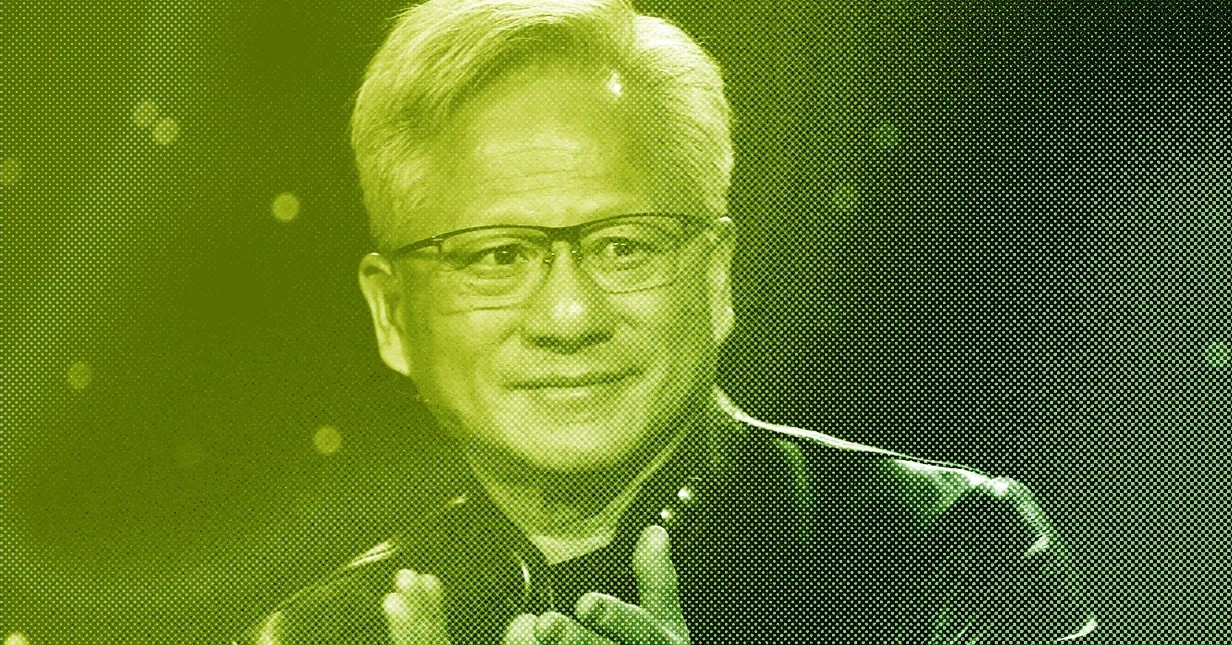
Nvidia’s annual developer conference cemented its position as the dominant force in artificial intelligence. CEO Jensen Huang announced a potential trillion-dollar revenue opportunity by 2027, fueled by demand for specialized AI chips. The company is moving beyond repurposed gaming GPUs to purpose-built hardware, partnering with Groq to accelerate AI inference.
Why this matters: Nvidia isn’t just selling chips; it’s shaping the infrastructure of the next technological revolution. The demand for AI processing power is exploding, and Nvidia is positioning itself to capture a massive share of that market. This concentration of power raises questions about competition and the future of AI development.
Huang also unveiled NemoClaw, an enterprise AI agent platform, indicating a scramble among tech giants to dominate the emerging field of autonomous software agents. OpenAI and Meta are also rushing to develop custom chips and platforms, suggesting a new era of hardware specialization in AI. The announcement of space-based data centers, while far-fetched, demonstrates the industry’s willingness to pursue radical solutions to meet growing computational needs.
Tesla’s Faltering Loyalty: A Crack in the Cult?
Tesla faced backlash this week after abruptly changing the terms of its “lifetime full self-driving” service transfer program. The move angered loyal customers who had been promised perpetual access. More troubling for Elon Musk, some previously ardent Tesla influencers and fans are openly distancing themselves from the brand.
Why this matters: Tesla’s valuation has long been buoyed by a fervent retail investor base, many of whom prioritize loyalty to Musk over traditional financial metrics. A growing exodus from this community could destabilize the stock price and undermine Musk’s control over the narrative. Tesla is increasingly positioning itself as a robotics and autonomous vehicle company, rather than a traditional automaker, suggesting a shift in strategy that may further alienate some fans.
Meta’s Metaverse Retreat: The Dream Dies Slowly
Meta quietly began shutting down Horizon Worlds VR on Meta Quest, signaling the effective end of its metaverse ambitions. While the company later walked back the decision, stating it would maintain limited support for the “foreseeable future,” the move underscored the failure of its high-profile virtual world experiment.
Why this matters: Meta’s metaverse push was once touted as the future of social interaction. Its collapse demonstrates the difficulty of creating compelling virtual experiences that rival real-world engagement. The retreat from Horizon Worlds is not just a business failure; it’s a symbolic blow to the broader metaverse concept, which now faces skepticism and declining investment.
The events of this week illustrate a tech industry undergoing rapid shifts: Nvidia’s dominance solidifies, Tesla’s cult of personality shows cracks, and Meta’s metaverse dream fades into reality. These trends will likely shape the future of AI, automotive, and virtual experiences for years to come.