New evidence has surfaced regarding a significant breakdown in cooperation between federal and state law enforcement in Minnesota. Newly released text messages and legal filings suggest that the FBI withheld critical evidence and denied access to crime scenes following the fatal shooting of Renee Good by a federal immigration officer.
The revelations are part of a broader legal battle involving the Minnesota Bureau of Criminal Apprehension (BCA), the Hennepin County Attorney, and the State of Minnesota, all of whom are suing the Department of Justice and the Department of Homeland Security (DHS).
The Incident and the Immediate Aftermath
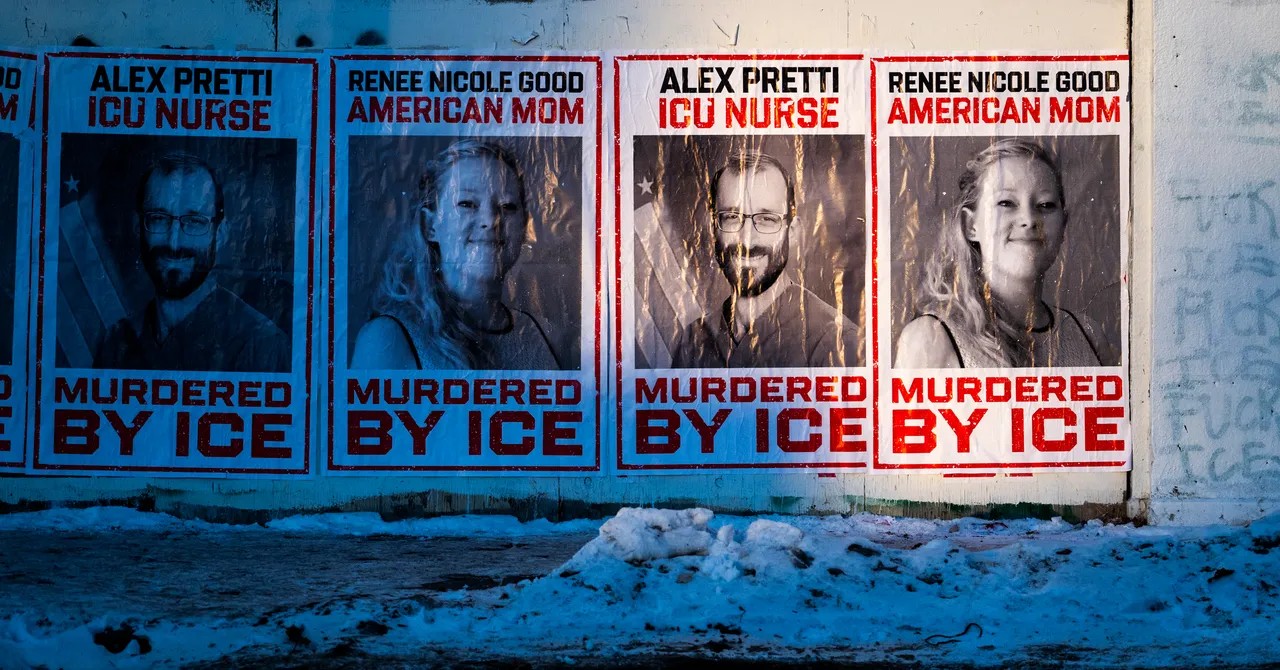
On the morning of January 7, Jonathan Ross, a federal immigration enforcement and deportation officer, shot and killed Renee Good. In the immediate wake of the shooting, state investigators from the BCA attempted to coordinate with their federal counterparts to secure the scene and begin an investigation.
However, records obtained via public records requests reveal a stark lack of responsiveness from the FBI:
- Delayed Responses: Despite multiple texts from BCA Superintendent Drew Evans on the day of the shooting, the FBI reportedly did not respond for at least two days.
- Blocked Access: The BCA alleges that while federal agents initially indicated they would cooperate, they quickly pivoted, informing state officials that the investigation would be “led solely by the FBI.”
- Evidence Sequestration: State investigators were reportedly denied access to essential physical evidence, including Good’s vehicle, the officer’s firearm, and shell casings found at the scene.
A Pattern of Non-Cooperation
The text messages obtained by WIRED provide a window into the tension on the ground. In these messages, Evans attempted to bridge the communication gap, asking the FBI to include state agents in interviews to ensure a “common understanding of the facts.” He also noted that the crime scene was becoming “contentious” due to the presence of federal agents confronting growing crowds of protesters.
The lawsuit filed by Minnesota officials argues that this was not an isolated incident of poor communication, but rather a systemic shift in how federal agencies operated during “Operation Metro Surge.” The plaintiffs claim that the long-standing tradition of evidence-sharing and partnership between federal and local authorities “abruptly ended” once federal leadership took control of these specific cases.
This pattern is central to a larger legal complaint involving three separate incidents:
1. The death of Renee Good.
2. The shooting of nurse Alex Pretti by Border Patrol agents.
3. The shooting and injury of Julio Sosa-Celis by a federal immigration agent.
Why This Matters: The Impact on Accountability
The central conflict in this lawsuit is not just about administrative friction; it is about investigative integrity.
When federal agencies take sole control of a scene and withhold evidence from state and local partners, it creates a “black box” around the investigation. For state prosecutors and local law enforcement, the inability to access interviews or physical evidence means they cannot conduct an independent or thorough inquiry into whether federal agents acted lawfully.
The BCA maintains that had they known the FBI intended to block their access to the scene and evidence, they would have taken “different measures” to secure that information immediately.
“The BCA was excluded from interviews, prevented from following standard investigative procedures, and blocked from accessing key physical evidence,” the lawsuit alleges.
Conclusion
The lawsuit highlights a fundamental clash between federal autonomy and state oversight, suggesting that a breakdown in inter-agency cooperation has effectively prevented Minnesota authorities from independently investigating fatal shootings involving federal agents.