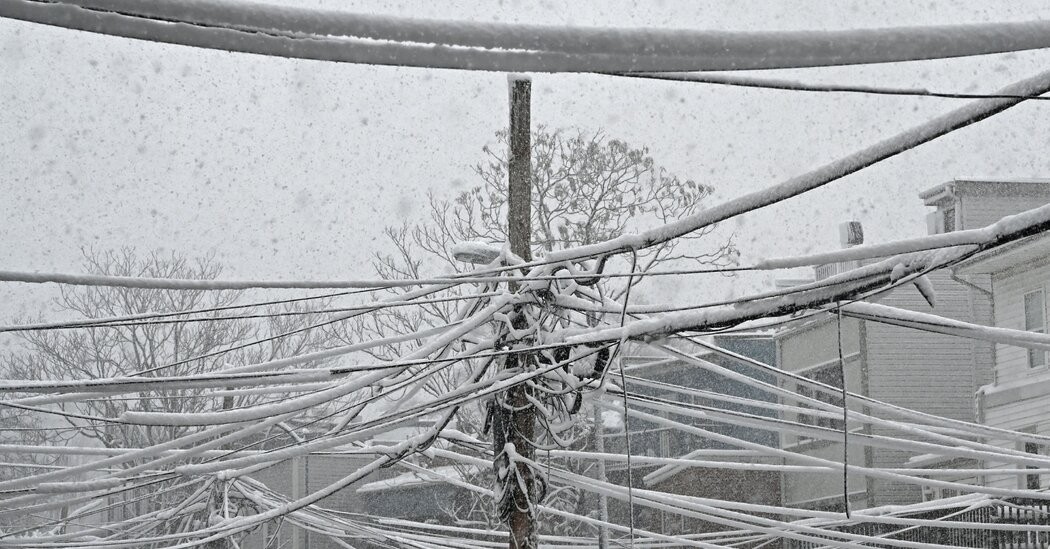
The most severe power disruptions from this weekend’s winter storm may not happen immediately during the event itself, but rather in the days following as accumulated ice and snow weigh down trees and power lines. Experts warn that peak outages are likely Monday and Tuesday, particularly in Texas and Mid-Atlantic states, as conditions worsen after the snow has stopped falling.
The Delayed Impact of Ice Accumulation
Unlike hurricanes where immediate flooding and wind damage cause instant outages, ice storms take time to exert their full effect. The weight of frozen precipitation on tree branches and electrical infrastructure steadily increases stress until breaking points are reached. This means that even after conditions appear to calm, power lines will continue to snap and equipment will fail.
Wei Du, a consultant at PA Consulting, explains this phenomenon succinctly: “Just because the snow stops, that doesn’t mean the worst is over. That’s frequently not the case.” This delay is critical because it means preparations must extend beyond the immediate storm duration.
Peak Demand Amplifies the Risk
Compounding this issue is the expected surge in electricity demand early next week. Peak usage typically occurs during weekday mornings and evenings when people prepare for work and school, and again when returning home. This spike in demand will further strain an already weakened grid.
- In Texas (managed by the Electric Reliability Council of Texas), peak demand is forecast between 5 a.m. and 8 a.m. on Monday.
- Across the Mid-Atlantic (PJM grid, covering 13 states and DC), demand is expected to peak from 7 a.m. to 10 a.m. Tuesday, potentially reaching record winter highs.
Proactive Measures and Extended Alerts
PJM has extended its winter weather alert through January 30, signaling a prolonged period of elevated risk. Utilities and government officials are now urging large energy consumers – such as data centers – to prepare for voluntary power reductions to prevent grid collapse. This suggests the situation is being treated with extreme caution.
The delayed timing of these potential outages highlights a crucial point: storm recovery is not instantaneous. The real test of grid resilience will come after the immediate weather threat subsides, as lingering physical damage and increased demand combine to create a challenging scenario.