


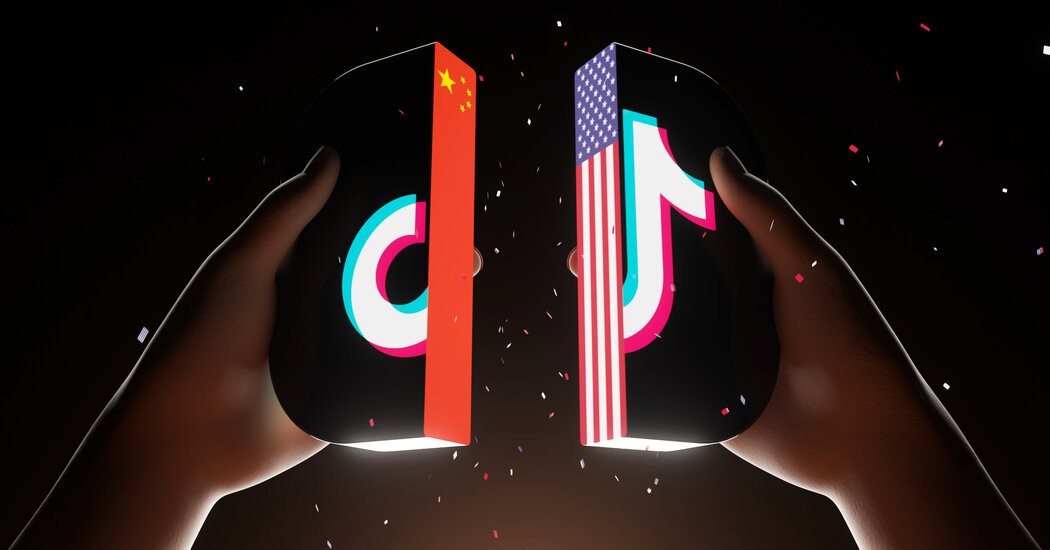
TikTok has reached an agreement to create a new, largely U.S.-owned entity, effectively resolving years of political and legal challenges that threatened its presence in the American market. The move aims to address national security concerns surrounding the app’s ties to its Chinese parent company, ByteDance.
Key Details of the Agreement
A consortium of non-Chinese investors will control over 80% of the new TikTok U.S. operation. These investors include tech giant Oracle, Emirati investment firm MGX, and Silver Lake, a prominent investment firm. Michael Dell, founder of Dell Technologies, also participates through a personal investment vehicle, alongside other firms. Adam Presser, previously TikTok’s head of operations, will lead the U.S. division as CEO.
The deal comes after a prolonged six-year period of scrutiny, including attempts by Congress to ban the app and intense debate between the U.S. and China. It ensures TikTok can continue operating in the United States, serving its 200+ million American users.
Why This Matters
The core issue driving this deal is national security. U.S. lawmakers feared that ByteDance’s ownership of TikTok could allow the Chinese government access to user data or enable manipulation of content. This fear stemmed from broader tensions between the U.S. and China over technological dominance, as both nations compete for influence in critical industries.
“This agreement enables our U.S. users to continue to discover, create and thrive as part of TikTok’s vibrant global community,” said TikTok CEO Shou Chew in an internal memo.
For years, TikTok faced existential threats: a total ban loomed if it failed to distance itself from ByteDance. The app’s survival hinged on appeasing U.S. concerns while maintaining its cultural relevance, which includes everything from viral dances to political commentary.
The Long Road to Resolution
The saga involved bipartisan efforts to restrict TikTok, with support from both the Trump and Biden administrations, as well as unanimous backing from the Supreme Court. Influencers and users mobilized to defend the app, lobbying politicians and organizing protests. However, the delay in action led some stakeholders to lose focus, highlighting the protracted nature of the dispute.
The agreement marks the end of a legal odyssey that tested the boundaries of digital sovereignty and geopolitical leverage. Despite initial concerns, TikTok has managed to navigate the challenges, ensuring its continued presence in one of its largest markets.
Ultimately, this deal demonstrates how political pressure can reshape global tech landscapes, forcing companies to adapt to evolving national security priorities. The outcome is a compromise that allows TikTok to operate in the U.S. under new ownership, but it also sets a precedent for future scrutiny of foreign-owned digital platforms.


