A Drill Stuck. Again.
Curiosity is jammed. NASA’s rover bit into a rock on Mars and couldn’t back out. It’s happened before, technically, but this specific flavor of disaster is new to the engineering team. It took them nearly a week of remote sweating to free the bit. Imagine drilling into concrete and your power tool deciding it’s permanent fixtures now. That was the vibe in Pasadena. They got it working again. Good thing.
“This is the first time we’ve hit this particular snag.”
The Moon Has Company? Sort Of.
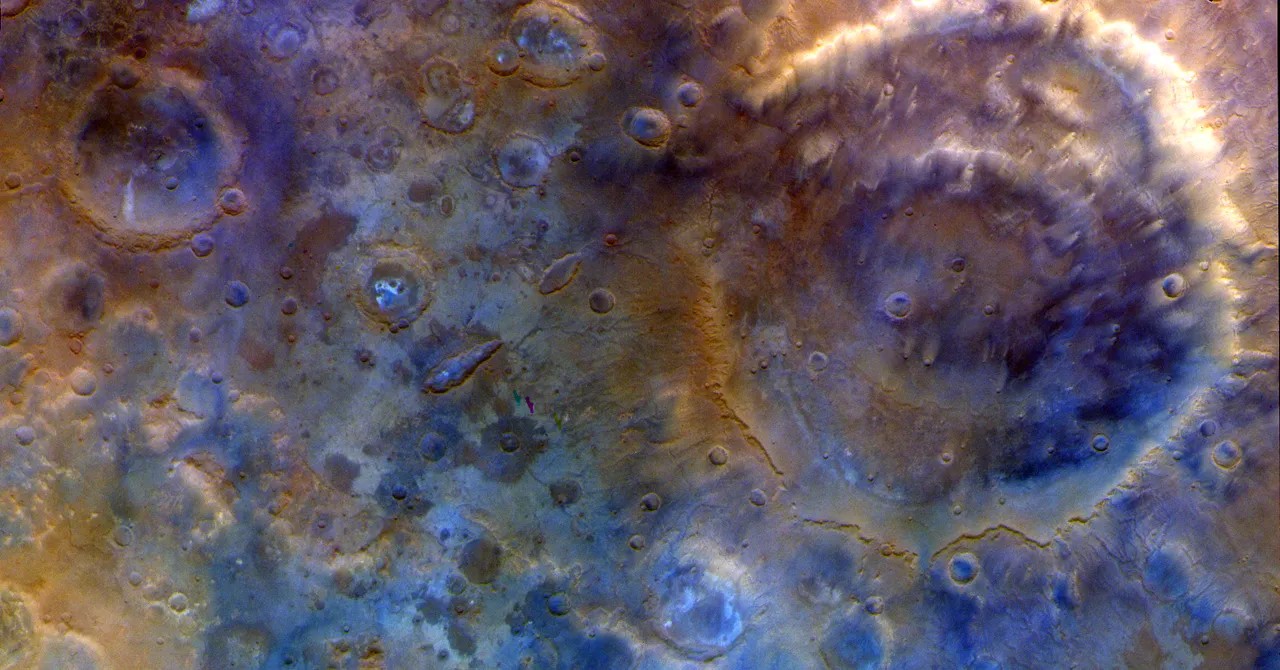
While Curiosity was stuck, a probe was taking incredible pictures of the Red Planet. Why? It’s not going to stay there. The probe is a traveler. Heading for a far-off asteroid. The images are crisp, detailed, haunting. We send things halfway across the solar system just to snap photos of dirt and craters. Who are we, really?
And speaking of things flying close—asteroid 2025 JH2 is making a visit. Well, a flyby. On May 18, this rock, about the size of Chicago’s “The Bean,” will pass Earth. Four times closer than the Moon. Sounds scary? It’s relative. In cosmic terms, it’s a gentle hello. We’re still here.
Ground Zero is Sinking
Mexico City isn’t just busy. It’s going down. Literally. A powerful NASA satellite has mapped the descent, and it’s uneven. Some neighborhoods are dropping at two centimeters per month. Two centimeters! That’s fast for a continent. The map reveals which areas are taking the biggest hit. It’s not a gentle slump; it’s a structural sigh. The city is literally sinking into its own history. 🏗️
Russian Wi-Fi Comes to Town
Starlink isn’t the only game in town. Russia is rolling out Rassvet. Sixteen satellites launched. That’s the start. The goal is total national coverage by 2030. It won’t be smooth sailing. Budget cuts, political pressure, orbital mechanics—they make for a messy commute. But they’re building it. You can bet on it.
UFO Files Leaked (Again)
The Pentagon dropped another box of secrets. “Orbs.” “Saucers.” “Flashes” on the lunar surface. New declassified docs for government UFO sightings. Why do they wait? Maybe it’s bureaucracy. Maybe it’s boredom. But here we are, reading about lights in the sky from people paid to track missiles. Saucers, really?
“The documents suggest persistent observation protocols.”
Fire, Damp, and Hantavirus
California’s wildfire season started before winter even finished. Hot, dry, explosive. Meanwhile, in Argentina, the opposite happened. Wet weather. Lots of it. It fueled a ratada —a massive rodent boom. Rats multiply. Then they come out. They boarded cruise ships. Now we have a Hantavirus outbreak linked to climate change and too much rain. One planet. Two different nightmares. Same result. Panic. 🐀
New Metals, Old Boom
Go back to 1945. Trinity test. First atomic bomb. Aside from the radiation, they made a new material. Entirely new. Extreme pressure, extreme heat—physics breaks. New crystals formed that don’t exist in nature. Labs couldn’t make them then, and couldn’t before. The bomb was an accidental materials scientist. Who knew destruction could be so constructive?
The Great Satellite Age
San Francisco loves satellites. Startups are popping up like dandelions. Space-based data, space-based comms. The tech works. Now they just want the cash. It’s a race. Capitalism in zero gravity.
SpaceX & AI’s Secret Handshake
SpaceX finally filed for its IPO. Hidden in the paperwork? A juicy detail. Anthropic—the big AI rival—pays SpaceX $15 billion a year. Just to access their data centers. GPUs. Chips. Power. That’s a lot of computing muscle for a lot of money. The AI race isn’t just about brains anymore. It’s about infrastructure. And someone’s foot bill is massive. 💸
Cars from Beijing
If you thought Silicon Valley had the best toys, look east. The Beijing Auto Show 2019 had nineteen standout models. Chinese cars are leading the charge on electrification and smart tech. Intelligence on wheels. It’s not catching up anymore; they’re driving.
We stare at the