Ford Motor is facing substantial financial setbacks with its electric vehicle (EV) division, confirming losses will persist for at least the next three years. The company reported a $4.8 billion loss in 2025 alone, with projections of $4 to $4.5 billion in losses for both 2026 and beyond. This brings the total EV losses since 2022 to over $16 billion.
Scaling Back Ambitions
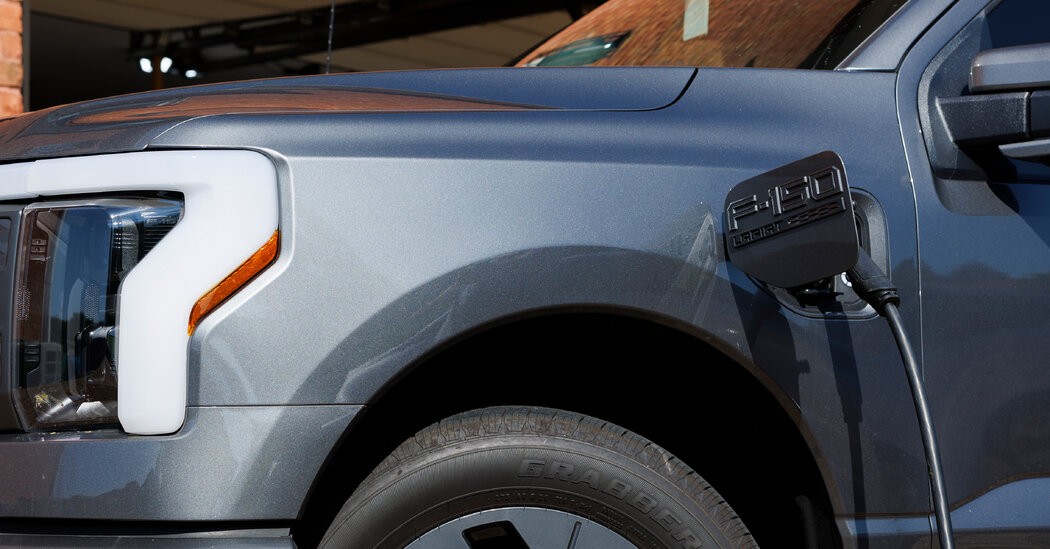
The automaker has already begun scaling back its initial EV plans, halting production of the F-150 Lightning electric pickup and abandoning projects for new electric vehicle facilities in Tennessee. Instead, Ford will focus on hybrid models and traditional gasoline-powered trucks, including a hybrid version of the Lightning and gasoline-powered vehicles from its Tennessee plant.
This shift comes after a $19.5 billion write-down in the fourth quarter of 2025 to cover the costs of restructuring. Ford also dissolved a battery production partnership with SK On, taking full control of a Kentucky factory while SK On maintains ownership of a plant in Tennessee.
The Road to Profitability
Despite these losses, Ford is optimistic about its overall financial performance. The company projects adjusted earnings before interest, taxes, and other items to reach $8 to $10 billion in 2026 – a significant improvement from the $6.8 billion earned in 2025. The EV division is now targeting break-even by 2029, contingent on the success of a planned medium-size pickup expected to launch in 2027 with a price point around $30,000.
The company believes new production methods and components will drive down costs for this future model.
“We are now targeting break-even around 2029,” said Ford CFO Sherry House during an earnings call.
Why This Matters
Ford’s struggles highlight the financial pressures facing legacy automakers transitioning to electric vehicles. Despite initial enthusiasm, the high costs of battery technology, production infrastructure, and market competition are proving challenging. The company’s retreat from some EV projects suggests that the road to profitability in the electric vehicle market may be longer and more expensive than many anticipated. This shift also raises questions about the broader industry’s timelines for achieving sustainable EV profits.
The company’s continued reliance on internal combustion engine sales to offset EV losses underscores the complex realities of the automotive industry’s evolution. Ford’s situation is a cautionary tale for other automakers pursuing aggressive EV strategies.