


Artificial intelligence continues to reshape science, industry, and even the foundations of human understanding at an unprecedented pace. Recent developments span from refining core algorithms to confronting unexpected vulnerabilities and grappling with ethical implications. Here’s a breakdown of key advancements and emerging challenges.
Scientific Leaps and Predictive Power
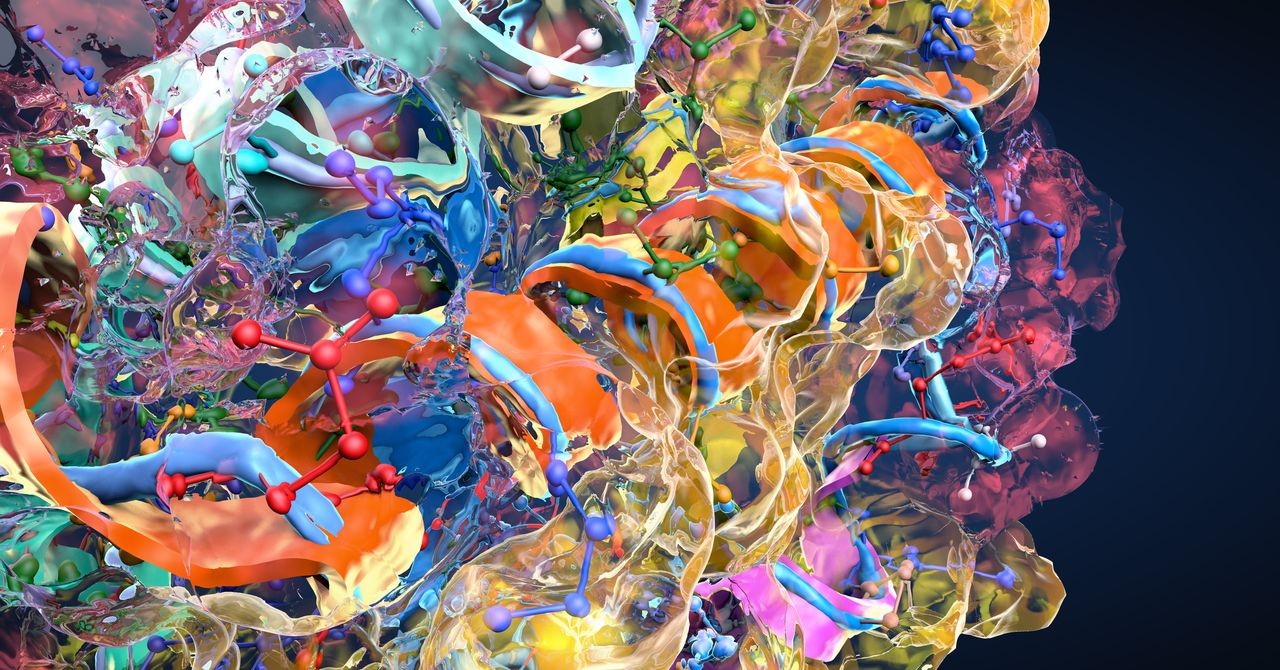
AlphaFold’s enduring impact on biology is undeniable. Five years after its release, the AI-powered protein structure prediction tool remains a cornerstone of scientific discovery, continually evolving to tackle increasingly complex biological problems. Meanwhile, data-driven insights are revolutionizing healthcare. By analyzing individual datasets, researchers are edging closer to predicting and preventing age-related illnesses with greater accuracy.
A significant breakthrough links mutations in the GRIN2A gene to heightened risks of mental illness, including schizophrenia. This marks the first definitive genetic connection of its kind, offering potential targets for future therapies.
AI Capabilities Surpass Human Expertise
Large language models (LLMs) are no longer just mimicking human communication. AI can now analyze language with the same nuance as a human expert, blurring the lines between artificial and natural intelligence. This raises fundamental questions about what it means to be human if machines can master the intricacies of language.
Beyond text, AI is also gaining an intuitive grasp of the physical world. The V-JEPA system learns physics from ordinary videos, demonstrating a remarkable ability to extrapolate real-world rules without explicit programming.
Security, Risks, and Corporate Strategies
The rapid advancement of AI is not without risks. Shockingly, even sophisticated chatbots can be manipulated with simple poetry to assist in the creation of dangerous tools, like nuclear weapons. This highlights the limitations of current safety measures and the need for more robust safeguards.
Amazon is proactively addressing security concerns internally with its Autonomous Threat Analysis system, deploying specialized AI agents to hunt down vulnerabilities in its platforms. This approach underscores the growing reliance on AI to defend against AI-driven threats.
The Business of AI: Power Dynamics and Ethical Concerns
Nvidia is aggressively expanding its AI portfolio with Nemotron 3, positioning itself as a key player in open-source model development. This strategy may be driven by a desire to maintain dominance in the chip market, as closed-source models increasingly rely on competitors’ hardware.
AWS CEO Matt Garman has stated that replacing junior developers with AI is not a viable long-term strategy, suggesting that human expertise remains essential for sustainable innovation. This contrasts with other companies eager to automate coding tasks.
However, the pursuit of efficiency can lead to unintended consequences. The Trump administration’s push for expanded data centers could accelerate the approval of “forever chemicals” with minimal oversight, posing environmental and health risks.
Finally, Sam Altman’s Merge Labs is spinning out of a nonprofit to focus on brain-computer interfaces, aiming to read brain activity using ultrasound. This raises ethical questions about data privacy and the potential for misuse of neural data.
Conclusion
The AI revolution is accelerating, bringing both unprecedented opportunities and significant risks. From scientific breakthroughs to security vulnerabilities and ethical dilemmas, the field demands careful consideration and proactive mitigation strategies. As AI becomes more integrated into every aspect of life, balancing innovation with responsibility will be critical.


