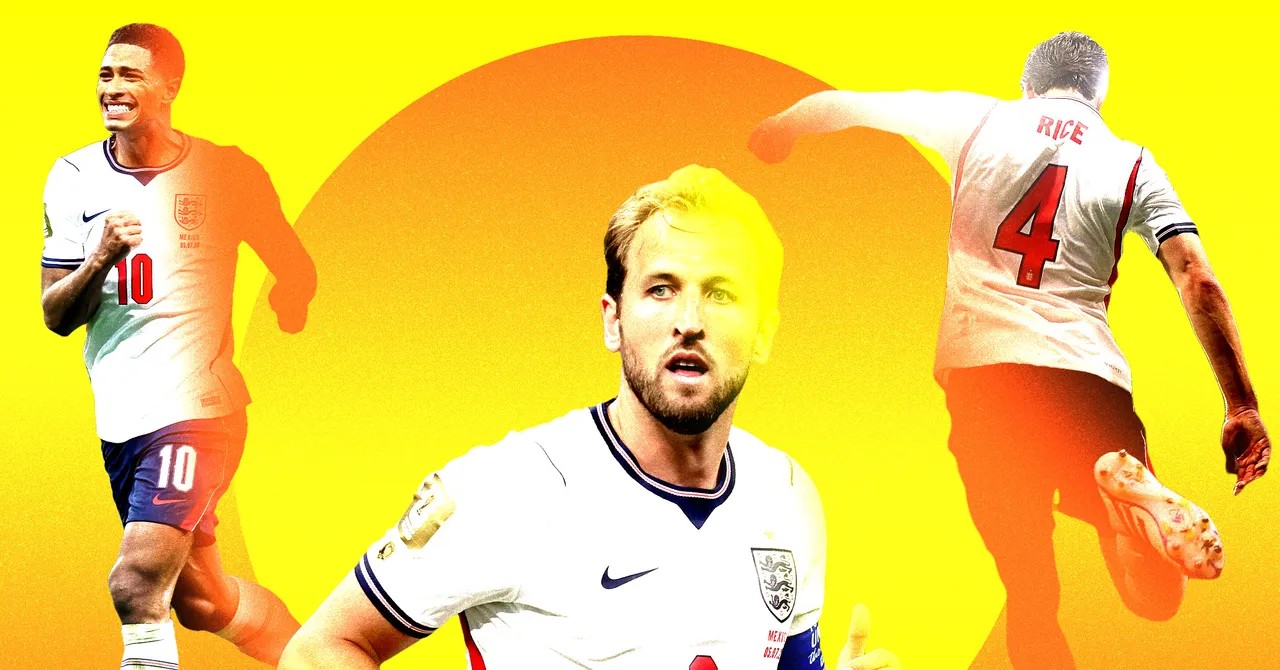
Norway is playing for something more than bragging rights this weekend. The men’s national soccer team is heading to Miami for the World Cup quarter-final. Against England. It is the biggest match in the nation’s history. The weather? Unforgiving.
South Florida doesn’t do subtle. The heat is heavy. The humidity sticks to you. Then comes the dust. A plume of Saharan air is sweeping across the Atlantic. It sits on top of the city. For a northern European athlete, it’s alien terrain.
Scientists measure this misery using WBGT (wet-bulb globe temperature). It’s not just how hot the air feels. It accounts for sweat evaporation. Wind chill, or lack thereof. The raw assault of sunlight on skin. On Saturday, the number hits 88°F (31°C).
The American College of Sports Medicine says stop playing. Seriously. Anything above 82°F is where bodies start cooking. FIFA has its own red line. At 90°F, you get ice towels. You rest at the 30-minute and 75-minute marks. They’re trying to keep players from collapsing.
“At Miami this weekend, we may see players reduce the distance they cover.”
That’s Matt Maley from Loughborough University. He studies how bodies fail in the heat. He expects sprints to dwindle. Distance dropped. It won’t look like the Premier League. It won’t feel like Eliteserien. It will feel slow.
The problem isn’t physiology. It’s pride.
Motivation ignores logic. Players want to run. They want to win. The brain screams go while the body begs stop. That’s where the danger lives. Heat exhaustion waits in that gap between ambition and biology.
Miami is getting hotter, too. Concrete holds the heat. Fossil fuels thicken the blanket. It’s not just this weekend. It’s the trend.
Scientists warned FIFA in May. Five continents of experts signed a letter. They called the rules inadequate. Three-minute hydration breaks? Useless for cooling down. They want them doubled. They want matches postponed if it hits 82°F.
FIFA hasn’t budged enough.
Fans aren’t safe either. Dehydration. Heat stroke. Older supporters are at risk. A report from the New Weather Institute puts it plainly:
“The 2026 World Cup heat stress crisis threatens to transform football’s celebration into a public health emergency.”
You can watch from the couch, obviously. But even seeing it on screen, the dread hangs there. A ball moving through soup. Two teams fighting each other, fighting the sky, fighting their own biology.
The sun beats down. The dust settles. The whistle blows.