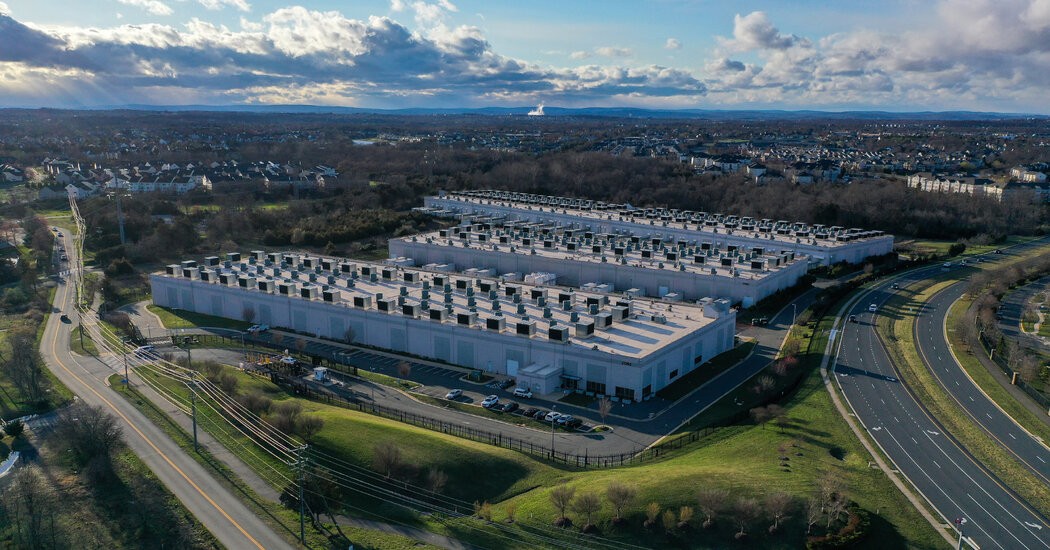
Three U.S. senators are launching an investigation into whether the rapid growth of artificial intelligence (AI) data centers is causing residential electricity costs to spike across the country. The inquiry targets major tech firms including Google, Microsoft, Amazon, and Meta, as well as CoreWeave and Digital Realty, demanding transparency on how their energy consumption impacts everyday consumers.
The Rising Demand for Power
The core of the issue is simple: AI training and operation require massive amounts of electricity. As companies race to expand AI capabilities, they’re building larger and more power-hungry data centers. Utilities are responding by investing billions of dollars in grid upgrades to meet this demand. However, these costs are typically passed on to all electricity customers – meaning homeowners and businesses share the burden of powering the tech industry’s expansion.
This is not just about cost: if demand drops off, consumers could be left footing the bill for infrastructure built to serve a boom that never fully materializes.
Concerns from Lawmakers
Senators Elizabeth Warren, Chris Van Hollen, and Richard Blumenthal expressed concerns in letters to the companies, highlighting that communities near large data centers have already seen electricity bills jump. They seek clarification on whether tech firms are adequately covering their energy expenses, or if ordinary Americans are subsidizing their operations.
“We write in light of alarming reports that tech companies are passing on the costs of building and operating their data centers to ordinary Americans as A.I. data centers’ energy usage has caused residential electricity bills to skyrocket in nearby communities.” — Senators Warren, Van Hollen, and Blumenthal
Industry Response and Future Implications
While some companies claim to be committed to fair energy contributions, there’s no agreement on what that means in practice. Digital Realty stated willingness to work with officials, but several firms offered no immediate comment.
This investigation is significant because it raises broader questions about the long-term sustainability of AI growth. If the industry doesn’t address its energy footprint and cost distribution, public backlash and regulatory intervention are likely. The issue underscores the need for clear policies to ensure the benefits of AI don’t come at the expense of consumers.
The senators’ inquiry sets a clear precedent: tech companies will face greater scrutiny over their energy usage, forcing them to justify their impact on public resources.