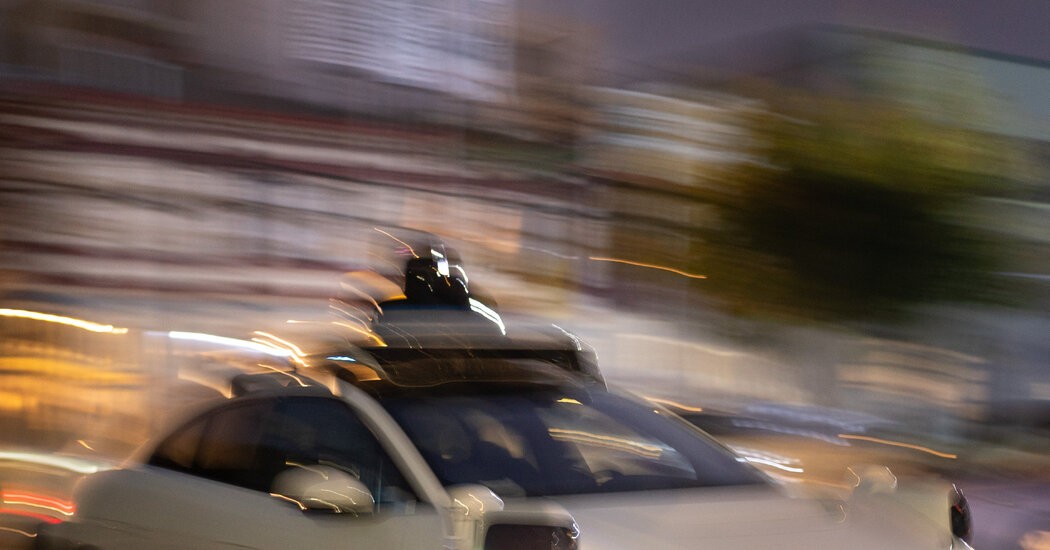
San Francisco has seen a disturbing trend emerge alongside its rollout of autonomous vehicles: violent harassment of passengers trapped inside self-driving cars. Incidents range from vandalism to direct threats, exploiting the safety mechanisms designed to prevent accidents. The core issue is that these vehicles, programmed to stop when people approach, inadvertently create stationary targets for those opposed to the technology.
The New Reality of Autonomous Travel
Doug Fulop, a tech worker in San Francisco, experienced this firsthand in January when a man physically attacked his Waymo vehicle, punching windows and attempting to lift the car while screaming threats at the passengers. Unlike a human driver, the self-driving system remained immobilized, leaving Fulop and others feeling “helpless.” This isn’t an isolated case.
Reports show people deliberately disabling vehicles by covering sensors, while others vandalize cars with spray paint as passengers watch. In one instance, a man fixated on killing those inside for supporting “robots,” indicating a deeper ideological motivation behind the attacks. The danger isn’t just property damage: passengers fear escalating violence if they attempt to exit during these confrontations.
Why This Is Happening
The situation is driven by growing resentment towards autonomous vehicles. Some see them as a threat to jobs (particularly in the taxi industry), while others harbor broader anti-technology sentiments. The cars’ programmed immobility makes them easy targets, but the real problem is the escalation of aggression. The incidents aren’t random: they represent deliberate harassment meant to intimidate passengers and disrupt the rollout of self-driving technology.
The core question is whether these attacks will persist and whether law enforcement or Waymo itself will take steps to protect passengers. Currently, the cars are designed to prioritize safety, but that safety comes at the cost of leaving occupants vulnerable during these confrontations.
These attacks raise ethical questions about the unintended consequences of automation. The technology is designed to reduce accidents, but it has inadvertently created a new type of hostage situation where passengers are trapped by their own vehicle’s safety features. The trend underscores how social and technological shifts can create unexpected and dangerous outcomes.