The intersection of technology, space exploration, and environmental science is accelerating at a breakneck pace. This week’s developments range from the immediate practicalities of satellite internet and urban subsidence to the futuristic possibilities of lunar nuclear power and extraterrestrial life. Below is a curated look at the most significant stories shaping our understanding of the planet and beyond.
🌎 Earth Observation and Environmental Shifts
Mexico City’s Uneven Descent
New data from a powerful NASA satellite has provided a stark visualization of Mexico City’s geological instability. The capital is sinking, but not uniformly. The latest maps reveal that certain areas are descending at a rate of up to 2 centimeters per month. This uneven subsidence poses severe risks to infrastructure, highlighting the urgent need for sustainable water management and urban planning in megacities built on sedimentary basins.
Japan’s Deep-Sea Rare Earth Breakthrough
In a strategic move to reduce dependence on Chinese supply chains, Japan has identified a massive deposit of rare earth elements on the ocean floor, approximately 6,000 meters below the Pacific surface. Located near a remote island, this discovery represents a significant geopolitical and industrial shift. While deep-sea mining presents its own environmental and technical challenges, Tokyo’s success in locating these resources offers a potential pathway for supply chain independence in critical technologies.
🚀 Space Exploration and Defense
Nuclear Power on the Moon
The White House has announced a major initiative for NASA to collaborate with the Departments of Defense and Energy to deploy nuclear reactors on the lunar surface and in orbit. This move aims to provide a reliable, long-term power source for future lunar bases and deep-space missions, moving beyond the limitations of solar power in permanently shadowed regions or during extended lunar nights.
Declassified UFO Files
The Pentagon has released a new batch of declassified documents detailing government sightings of unidentified aerial phenomena (UAP). The files include references to “orbs,” “saucers,” and “flashes” observed near the Moon and in Earth’s atmosphere. This transparency effort seeks to address public curiosity and scrutiny regarding national security and atmospheric anomalies.
Russia’s Satellite Internet Ambitions
Russia has launched the first 16 satellites of its Rassvet constellation, positioning itself as a competitor to Starlink. The network aims to provide nationwide satellite internet coverage by 2030. However, the project faces significant hurdles, including technical challenges, high costs, and the need for sustained political and financial support to compete in a rapidly evolving global market.
🤖 Technology and AI Developments
Anthropic and SpaceX: An Unexpected Alliance
In a surprising twist to the competitive AI landscape, Anthropic has signed a deal to utilize computing resources from xAI, Elon Musk’s artificial intelligence venture. This partnership underscores the growing complexity of the AI race, where competitors are increasingly relying on shared infrastructure to meet the massive computational demands of training advanced models.
Honor’s Half-Marathon Robot
A humanoid robot developed by Chinese company Honor has set a new record for autonomous robots by completing a half-marathon in 50 minutes and 26 seconds. This time beats the previous human record by seven minutes, demonstrating rapid advancements in robotics, battery efficiency, and autonomous navigation systems.
🔬 Science and Biology
Subterranean Havens for Alien Life
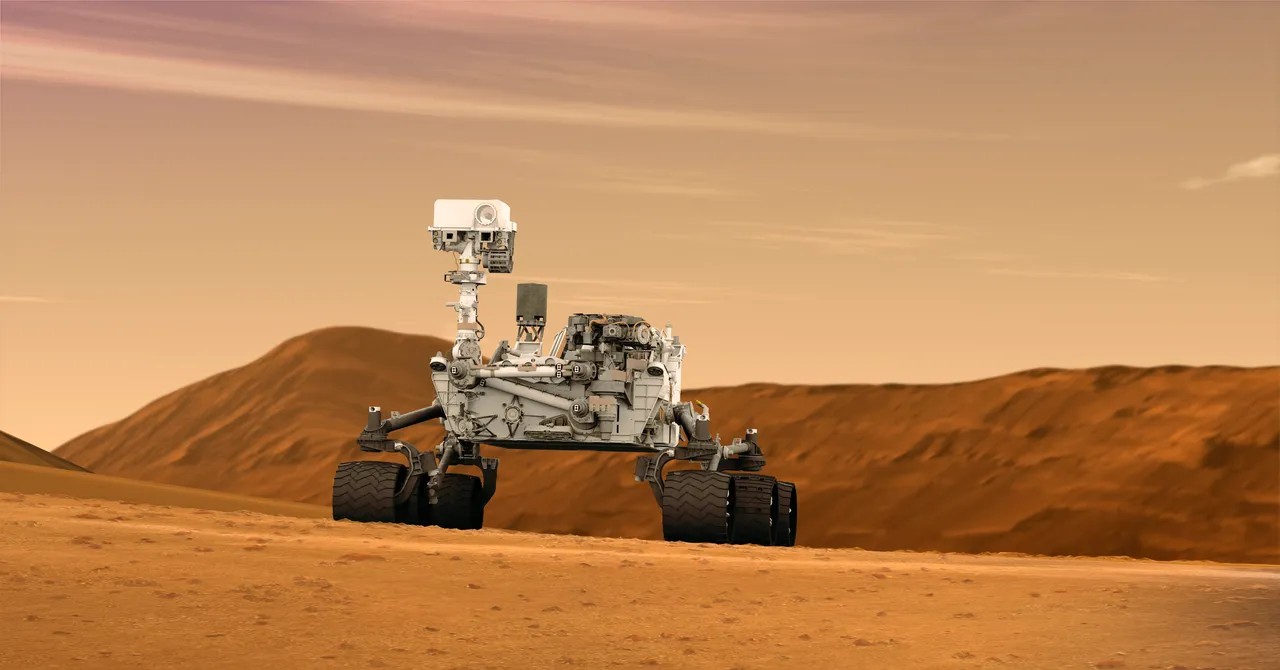
Scientists are increasingly looking downward rather than outward in the search for extraterrestrial life. Subterranean environments, such as lava tubes on Mars and ice pockets on Jupiter’s moon Europa, offer protection from radiation and extreme surface temperatures. These underground niches may not only harbor microbial life but also serve as potential shelters for future human explorers.
Cocaine’s Impact on Wild Salmon
Recent studies have revealed that wild salmon exposed to cocaine and its metabolites exhibit behavioral changes similar to those observed in laboratory settings. The fish display altered swimming patterns and reduced avoidance behaviors, raising concerns about the ecological impact of pharmaceutical pollutants in aquatic ecosystems.
🏃 Human Achievement and Innovation
Adidas’ Sub-2-Hour Marathon Shoes
Adidas has unveiled its lightest shoes ever, weighing just 97 grams and featuring a stiff carbon-fiber plate. These innovative designs played a key role in helping runner Sabastian Sawe break the two-hour marathon barrier in London. This achievement shatters a psychological and physiological limit once considered insurmountable, showcasing the profound impact of equipment technology on athletic performance.
The Lyrids Meteor Shower
Stargazers have a prime opportunity to observe the Lyrids meteor shower, which peaks between the night of April 21 and the early morning of April 22. Observers in the right locations can expect to see 15 to 20 meteors per hour, offering a spectacular display of celestial activity as Earth passes through the