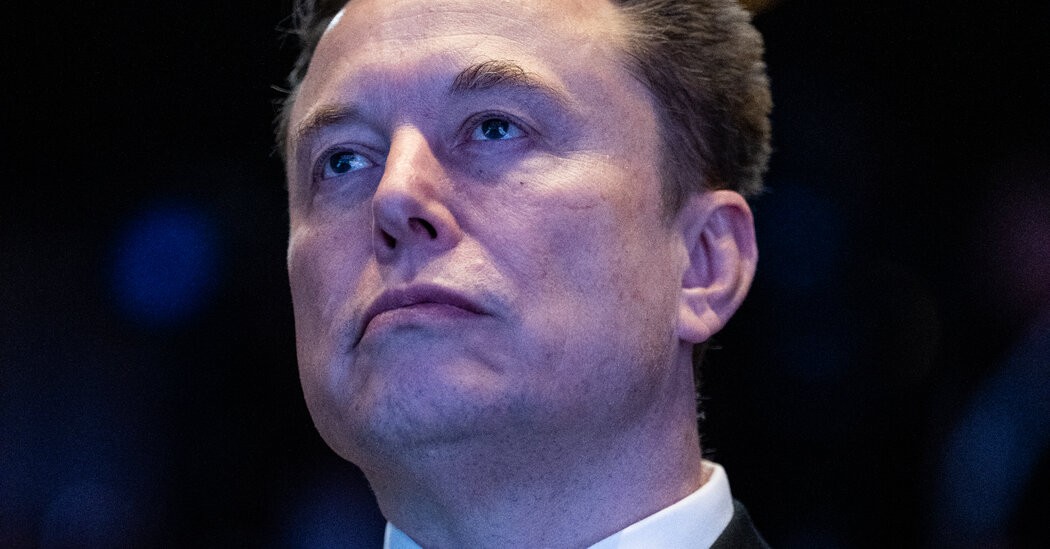
The National Labor Relations Board (NLRB) has unexpectedly dismissed a case brought by eight former SpaceX employees who claimed they were illegally fired for criticizing CEO Elon Musk. The dismissal, confirmed in a Feb. 6 letter to the workers’ legal team, rests on the NLRB’s assertion that it lacks jurisdiction—effectively deferring the matter to the National Mediation Board.
Background of the Dispute
The dispute originated in 2022, when a group of SpaceX employees drafted a letter urging the company to publicly address and condemn Musk’s controversial social media posts. These posts included dismissive responses to accusations of sexual harassment. Shortly after circulating the letter internally, several of the involved employees were terminated.
In 2024, the NLRB initially filed a complaint, alleging that SpaceX retaliated against the workers and violated their federally protected rights to engage in collective action. However, SpaceX argued that the National Mediation Board, rather than the NLRB, held proper authority over the case. The agency has now agreed.
Why This Matters
This decision highlights a critical, and growing, tension in labor law enforcement. The NLRB’s willingness to relinquish jurisdiction raises questions about its capacity, or willingness, to effectively protect workers who speak out against employer conduct. This isn’t just about SpaceX; it’s about the broader trend of companies facing minimal accountability for actions that stifle employee dissent.
Deborah Lawrence, one of the fired employees, described the outcome as indicative of systemic hostility toward labor rights within the U.S. government. Neither SpaceX nor the NLRB has provided further comment.
Implications and Next Steps
The case now moves to the National Mediation Board, where its future remains uncertain. The abrupt dismissal leaves many observers skeptical about the true extent of federal protection for workers engaging in collective action, particularly when confronting high-profile figures like Elon Musk. The outcome underscores the ongoing debate over the limits of free speech in the workplace and the effectiveness of current labor laws.
The decision by the NLRB to abandon the case represents a setback for workers seeking recourse against perceived employer retaliation. It also raises concerns about the practical enforcement of labor protections in an era where corporate power often outweighs regulatory oversight.