


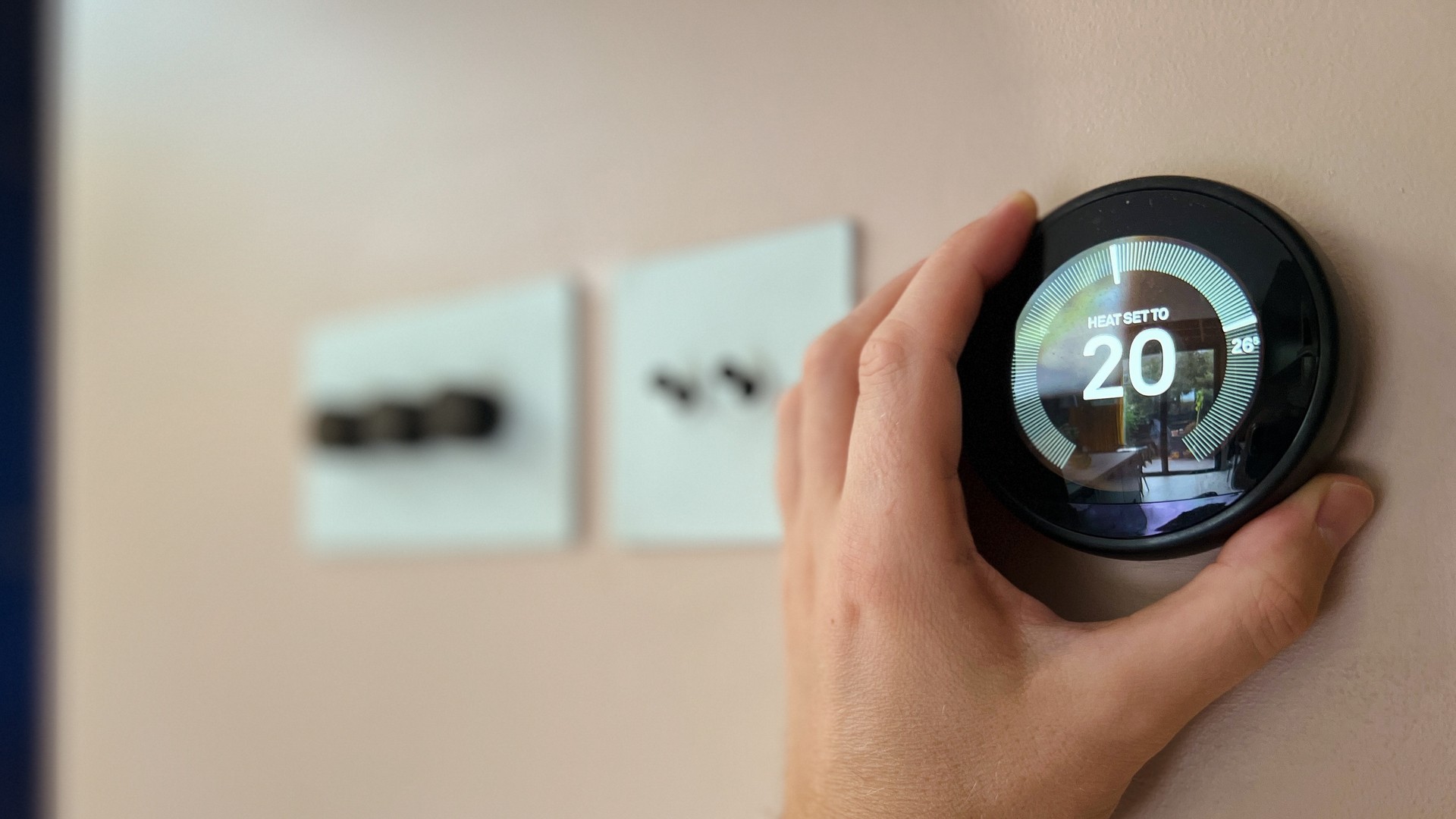
American households face rising winter heating costs, with the National Energy Assistance Directors’ Association (NEADA) estimating an average expense of $995 this season – an $84 increase from last year. Alarmingly, one in six households is already behind on utility bills, with combined debts totaling $23 billion. While systemic energy price reductions aren’t immediate, homeowners can strategically reduce their bills through targeted upgrades. Here’s a breakdown of lesser-known, yet effective, options.
The Garage Door: A Hidden Heat Leak
Many overlook their garage door as a major source of heat loss. Alan Bernau Jr., owner of Alan’s Factory Outlet, points out that an uninsulated garage door, especially an attached one, creates significant air leaks. Replacing it with an insulated steel door (typically $1,500 – $3,500 installed) can dramatically reduce heat escape. This is particularly important because the garage is directly connected to the house’s thermal envelope.
Solar Heating: A Niche, Effective Solution
For homes in cold, sunny climates, solar walls and solar air heaters offer a surprisingly effective solution. Ben Mizes, a real estate agent and co-founder of Clever Offers, notes that these systems ($2,000 – $5,000) can supplement heating during daylight hours. While not a full replacement, they cut down on reliance on conventional systems.
Sealing Air Leaks: The Low-Hanging Fruit
Beyond major upgrades, sealing air leaks is crucial. Bernau recommends professionally sealing gaps around doors, windows, and between the garage and home ($500 – $1,500). This simple step prevents cold air from infiltrating and forces your heating system to work less. Combined with full home insulation ($1,000 – $3,500), this is one of the most effective ways to reduce bills.
Long-Term Investments: Heat Pumps & Efficient Systems
For long-term savings, consider heat pumps ($6,000 – $12,000). Mizes reports that many homeowners see heating costs drop by 30% to 50%, especially those using oil or electric resistance heating. Upgrading to a high-efficiency furnace or boiler ($4,000 – $8,000) can also reduce bills by 15% to 25%. These are significant upfront investments, but they pay off over time.
Don’t Forget the Audit
Before committing to any upgrades, consult your local utility company for a home energy audit. An inspector can pinpoint specific heat loss areas and recommend the most effective improvements for your home.
These upgrades may not eliminate rising energy costs entirely, but they offer tangible solutions for homeowners looking to mitigate the financial impact of winter heating.


