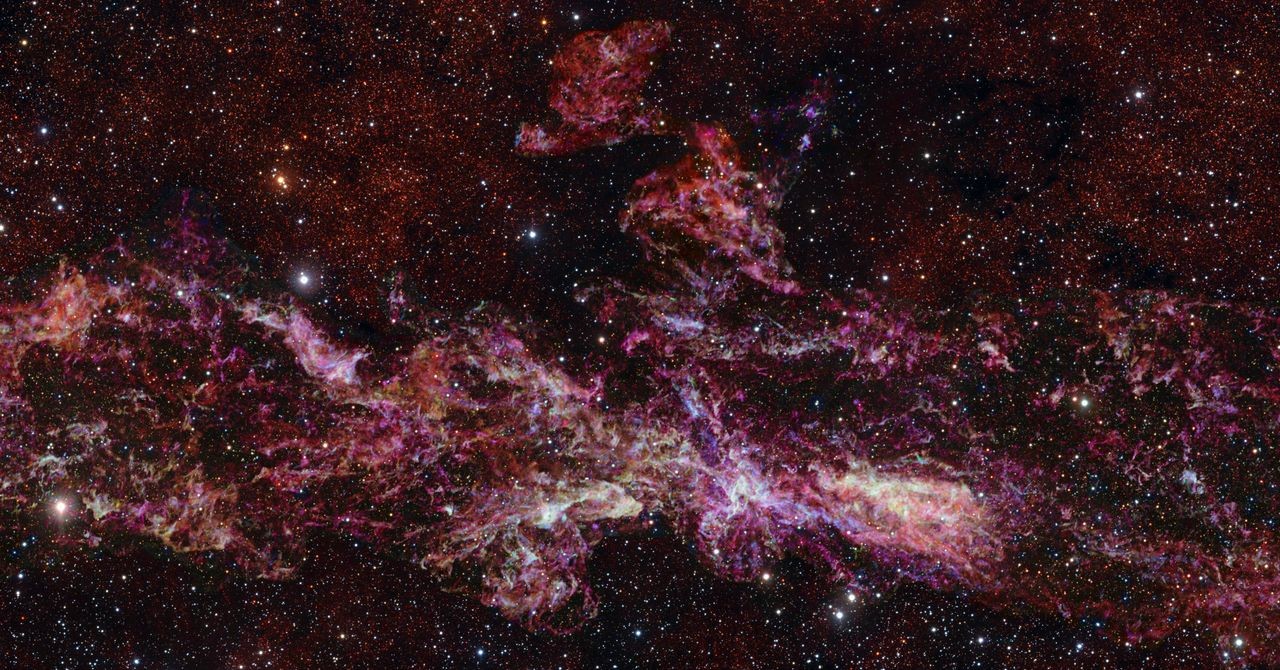
Astronomers have finally caught a sugar molecule floating in deep space. First time ever. They also spotted a mysterious compound on Pluto and Saturn’s moon Titan that refuses to match anything in our databases. It absorbs light like nothing we recognize. Mysterious, right?
A Rosetta stone for cosmic signals.
Researchers are using that phrase to describe the source they found behind some repeating radio blasts from the void. We’ve been hearing them but never knowing who’s talking. Now we might have an answer.
Footshakes and Earthquakes
Mexico beat Ecuador. The fans went wild. So did the ground.
Seismic warning systems picked up vibrations strong enough to mimic artificial earthquakes. All because people were jumping in euphoria. Is that dangerous? No. But it’s loud, literally. Norway gets the same treatment every time their team scores at the World Cup. The University of Bergen has seismographs that twitch when a goal drops. Cities trembling over football. Strange world.
The Universe is Messier Than You Think
Maybe the cosmos isn’t as uniform as textbooks say. A new study looked at 47 million galaxies. They found the cosmic web holds onto patterns across enormous distances. This messes with a pillar of modern cosmology. Scientists might need to rethink the whole “smoothness” argument.
Under our feet, though, there’s a map for once. The global network of fungi—essential for plants and climate regulation—has been completely mapped for the first time. Good to see something get organized.
In Mexico, they dug up Ambystoma quetzalcoacli. It’s a fossil salamander. An ancient axolotl ancestor. They’ve been hanging around the country for millions of years, turns out. We just hadn’t looked hard enough in the stone.
Views from the Dark
The Euclid space telescope snapped a picture of the Milky Way’s center. Sixty million stars crowded into one frame. Stunning. It’s the most detailed look yet at where we live. Meanwhile, China’s Tianwen-2 probe rendezvoused with Earth’s quasi-moon, asteroid Kamo’oalewu. First pictures sent back. Next step: landing, collecting samples, bringing them home. Busy schedule.
Bad news in the South. West Antarctica is missing massive chunks of ice. Temperatures hit 45 degrees Fahrenheit above normal. Winter didn’t just stay mild; it failed to make ice entirely. The climate crisis doesn’t take vacations.
But here is some comfort. The sun won’t swallow the Earth. A new study says that in about 5 billion years, when the sun gets unstable, our planet might just survive the fiery endgame. No engulfment.
Good luck with that. 🌍