
Smart displays remain a useful, though uncertain, category in the evolving smart home landscape. While companies like Meta and Google have stepped back from dedicated devices, Amazon continues to iterate, and new competitors are emerging. This guide breaks down the top options available today, factoring in new AI assistant rollouts and shifting privacy concerns.
The State of Smart Displays: A Volatile Market
The smart display market is in flux. Companies are experimenting with form factors and features, sometimes abandoning products altogether. This makes choosing one tricky : the device you buy today might be outdated next year. Despite this volatility, smart displays fill a niche as central hubs for smart homes, kitchen assistants, and hands-free communication.
Top Picks: Tested and Ranked
Here’s a breakdown of the best smart displays currently available, based on performance and future-proofing:
- Echo Show 15 ($300): The largest option, with a 15.6-inch screen, the Show 15 excels as a wall-mounted smart home dashboard. Customizable widgets display schedules, device controls, and notifications. The integration with Alexa+ (Amazon’s new AI assistant) makes it more engaging than smaller rotating slideshows, though streaming functionality remains weak.
- Google Nest Hub ($100): Ideal for those who prioritize privacy and don’t need a camera. This device features a 7-inch screen, sunrise alarm simulation, and sleep-tracking (though the accuracy is questionable). It also uses unique radar tech for gesture controls.
- Echo Hub ($180): This device strips away the camera and speaker complexity, focusing on being a smart home dashboard with built-in Alexa and widgets. It’s the simplest option, but sacrifices audio quality.
- Echo Show 8 (4th Gen) ($180): A solid speaker, but older models offer better bass. The latest version is designed around Alexa+, but older models are compatible for now.
The Rise of AI Assistants: Alexa+ and Gemini for Home
Both Amazon and Google are overhauling their voice assistants with AI.
- Alexa+ ($20/month or free with Prime): Amazon’s new assistant is more conversational, handles complex tasks, and learns from user data. However, this comes at a cost: all voice recordings are now sent to Amazon, ending local processing for privacy.
- Gemini for Home (Free): Google’s replacement for Google Assistant will be free, but Nest Aware subscriptions will now bundle video storage with premium assistant features. Google is also working with third-party manufacturers to expand Gemini’s reach beyond its own devices.
A Caution About the Google Pixel Tablet
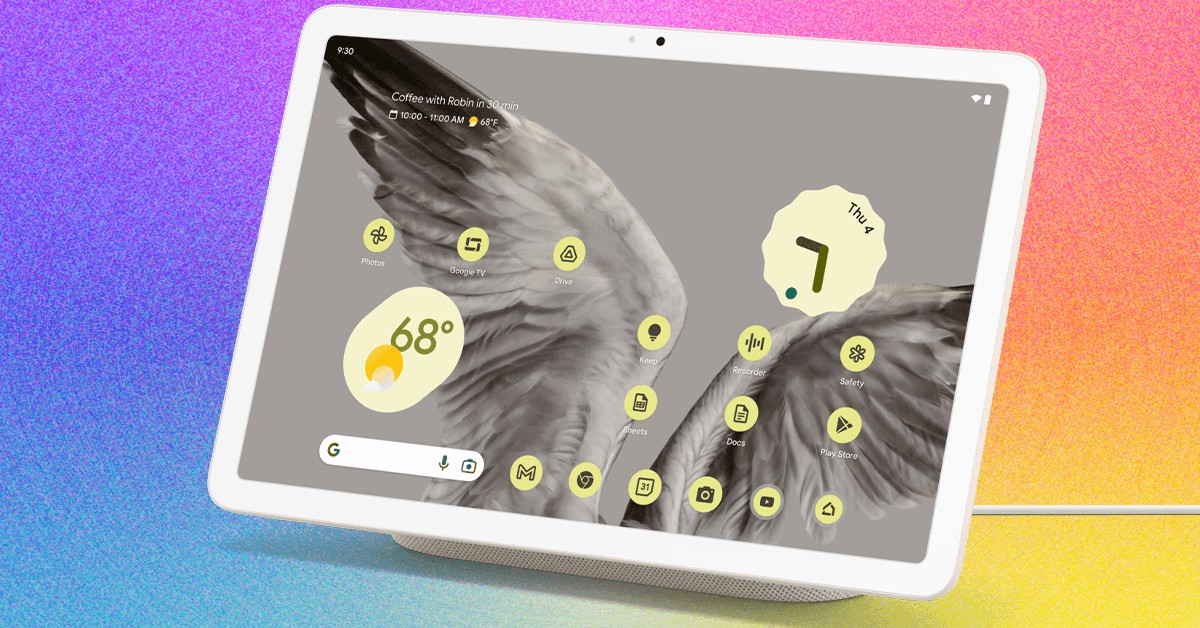
The Google Pixel Tablet, once a strong contender, is now a questionable buy. It’s no longer slated to receive Gemini for Home, and the speaker dock has been discontinued. The Pixel Tablet 2 was scrapped, indicating Google may abandon this hybrid device altogether.
Beyond Smart Displays: Digital Calendars
A growing alternative to smart displays is digital calendars. Companies like Skylight, Hearth, and Cozyla offer wall-mounted screens that sync family schedules. However, these devices often require paid subscriptions for full functionality, making them less appealing than free alternatives like shared Google Calendars.
The Bottom Line
The future of smart displays is uncertain, but they remain useful for centralizing smart home controls and streamlining daily routines. Stick with brands whose voice assistants you trust, and be mindful of privacy implications as AI assistants evolve. If you’re unsure, a quality tablet might be a more versatile and long-lasting investment.