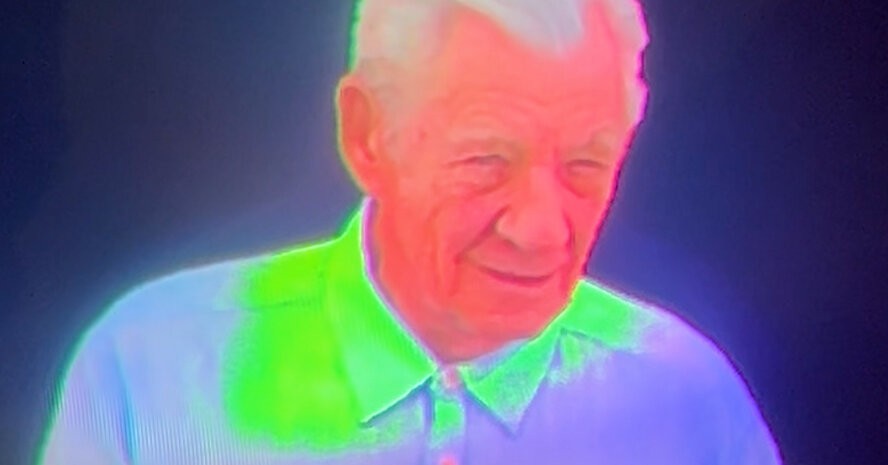
Ian McKellen is appearing in a play where he isn’t physically present. The British actor is at the heart of “An Ark,” one of the first stage productions to use mixed reality, a technology that overlays digital content onto the real world. The play, which opens January 21 at The Shed in New York, uses specialized glasses to create the illusion that actors are speaking directly to each individual audience member.
The Illusion of Presence
The experience begins with audience members wearing glasses that allow them to see both the physical theater space and digitally projected performers. When the lights dim, McKellen and three other actors—Golda Rosheuvel, Arinzé Kene, and Rosie Sheehy—appear to walk among the seats, making direct eye contact with viewers. McKellen’s opening line, “Don’t panic,” is designed to disorient and immerse the audience in this new reality.
This isn’t a simple hologram or video projection. Mixed reality allows for a deeper sense of presence because the digital actors react to the physical space and, in theory, to the audience as well. The play aims to evoke memories and emotional connections, suggesting shared human experiences through this intimate, yet technologically mediated, interaction.
Beyond Entertainment: Mixed Reality’s Growing Role
The show’s producer, Todd Eckert of Tin Drum, a company pioneering mixed reality work, emphasizes this is a breakthrough in audience engagement. “Feeling that connection between you as a member of the audience and the actors has never been possible before on a large scale,” he says.
The technology behind “An Ark” isn’t new, but its application on this scale is. Mixed reality is already part of daily life: from furniture apps that show how a sofa would look in your living room to real-time traffic alerts overlaid on navigation displays. This play pushes the boundaries of how we experience entertainment by using it to blur the line between the physical and digital worlds.
What This Means for the Future
“An Ark” is a test case for how mixed reality can transform live performance. If successful, it could open doors for more immersive and interactive experiences in theater, music, and other forms of entertainment. The question now is whether audiences will embrace this new level of presence and connection, or if the illusion will break, reminding them they are still watching a show—even if it feels profoundly personal.
The play’s success could accelerate the adoption of mixed reality in arts and culture, reshaping how stories are told and how audiences engage with them.