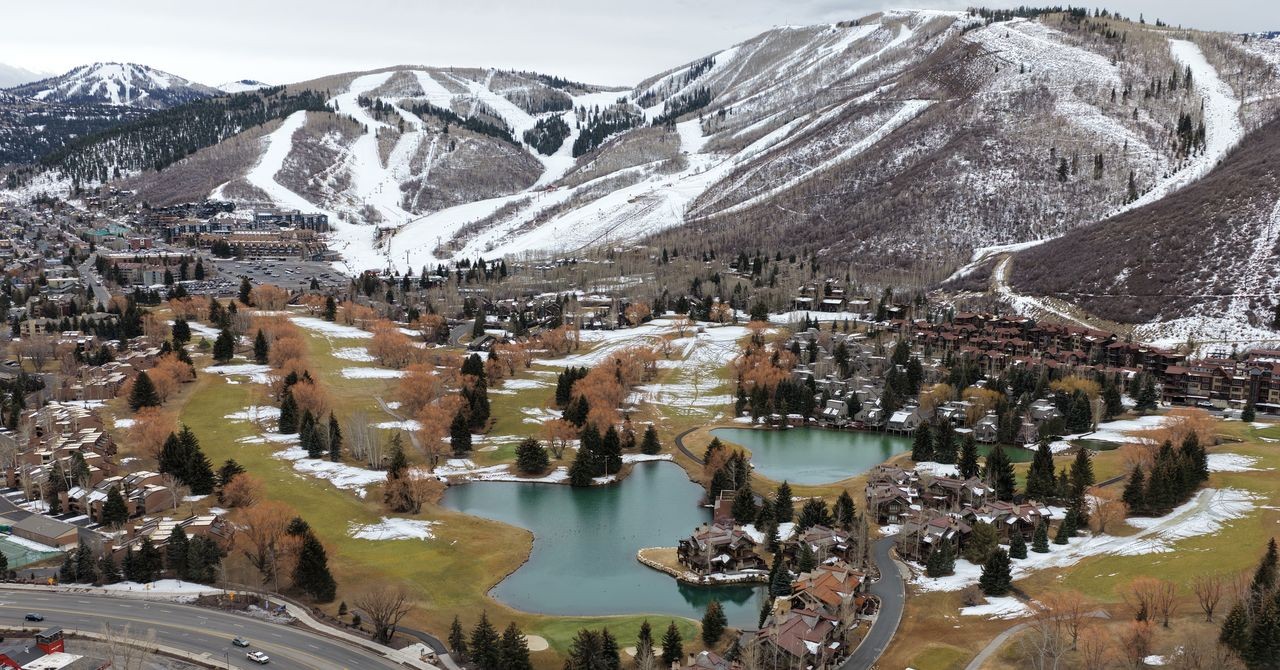
The American West is facing an unprecedented snowpack deficit this winter, threatening water supplies, exacerbating wildfire conditions, and intensifying already fraught negotiations over the Colorado River. Record-low snow levels across nine states—from Washington to Arizona—are not just a seasonal anomaly but a symptom of long-term climate trends that are reshaping the region’s future.
The Snow Drought Explained
This year’s situation is particularly alarming because of its scale. While localized low snowpack events occur, the current drought stretches across a vast swath of the West, with snowpack levels at less than half of normal in many areas as of mid-February. This isn’t just about less snow; it’s about when the snow is missing. The deficit is substantial even in absolute terms, meaning that even with average snowfall for the remainder of the winter, fully recovering is unlikely.
The issue isn’t solely a lack of precipitation. Unseasonably warm temperatures, with some areas nearing 80°F in February, have caused precipitation to fall as rain instead of snow, even at high elevations. This trend aligns with research showing that climate change is reducing snowpack levels across the Northern Hemisphere, making such deficits increasingly common. The impact is immediate: reduced moisture in forests means drier conditions, making them more vulnerable to wildfires in the coming summer.
Colorado River Negotiations at a Breaking Point
The snowpack crisis arrives at a critical moment for water management in the West. The seven states that rely on the Colorado River—Arizona, California, Colorado, Nevada, New Mexico, Utah, and Wyoming—are struggling to renegotiate the century-old rules governing water sharing. The original 1922 agreement was based on optimistic assumptions about river flow, which have not held up under decades of increased demand and climate change. Reservoirs like Lake Mead and Lake Powell are critically strained, and the region has been drawing down reserves for years.
The states missed a federal deadline in November to agree on a new water-sharing framework, and another deadline looms on Valentine’s Day. Experts warn that the current crisis makes an already difficult situation “way worse” than previously projected. The Colorado River system is operating on outdated rules developed for a time of greater abundance, and the region is effectively “deficit-spending” its water reserves, with the bank account now nearly empty.
What’s at Stake?
The West faces a future where water scarcity and wildfire risk are the new normal. While immediate water shutoffs aren’t imminent, the long-term trend is unsustainable. The crisis is not just about ecological damage; it’s about the potential for political and economic instability as states compete for dwindling resources.
The current situation is akin to running up a series of bad debts: We’ve been muddling through because of accumulated reserves, but those reserves are now depleted.
The fate of the West’s water supply depends on whether states can overcome decades of conflict and adapt to a drier future. Without decisive action, the region is heading toward a summer of heightened fire danger, political deadlock, and a growing realization that the old ways of managing water are no longer viable.