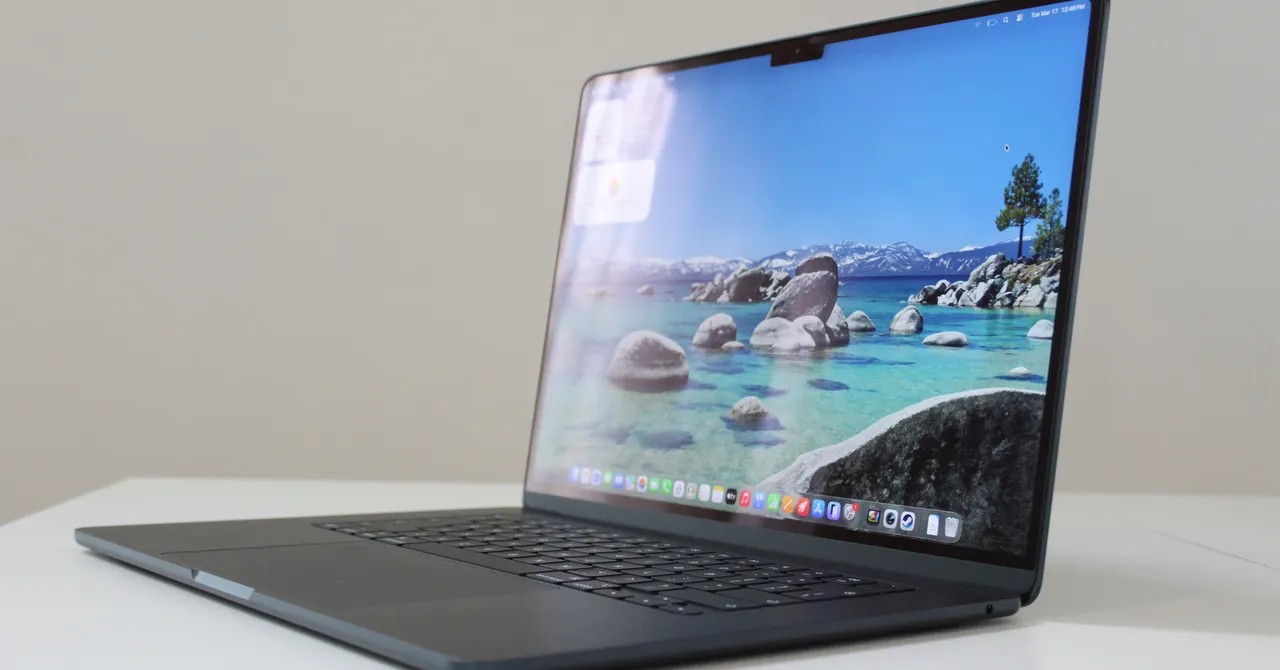
The laptop market remains competitive, with prices ranging from budget-friendly $200 models to high-end machines exceeding $5,000. However, the average consumer spends around $750, positioning them squarely in the midrange. Understanding this price landscape is crucial, as “starting prices” often refer to the most basic configuration, potentially lacking features found in higher-tier versions.
The Price-Performance Tradeoff
Spending more than $750 usually unlocks a superior experience. While cheaper laptops under this threshold often cut corners on display quality and trackpads, premium models offer advantages like brighter screens, better speakers, and more ports. The MacBook Pro, for example, costs $600 more than the MacBook Air but delivers a Mini-LED display and improved audio. Performance also scales with price: dedicated GPUs are rare below $1,000, making gaming or content creation difficult without a substantial investment. A worthwhile gaming laptop typically requires at least $1,500.
The Key Players: Brand Landscape
The laptop industry is dominated by established brands with decades of experience. Beyond Apple, four companies consistently lead in innovation and reliability: Lenovo, Asus, Dell, and HP.
- Lenovo is the world’s largest PC vendor, known for its ThinkPad and Yoga lines, but also willing to experiment with new designs and technologies. Their Legion gaming laptops balance performance and affordability.
- Asus has quickly become a favorite among consumers, innovating rapidly and offering premium laptops at competitive prices. Their ROG Zephyrus, Strix, and TUF brands dominate the gaming space.
- Dell and HP maintain a more conservative approach but have undergone significant rebranding efforts. HP’s introduction of “Omnibook” and Dell’s temporary removal (and subsequent return) of sub-brands like XPS illustrate ongoing shifts in brand strategy.
Other players like Microsoft Surface, Samsung, Acer, LG, and MSI exist, but their global footprint remains smaller.
Core Components: What Matters Most
When choosing a laptop, focus on these key areas:
- RAM: 16 GB is now the standard, with 32 GB recommended for demanding tasks like gaming or video editing. Potential memory shortages may impact pricing and availability.
- CPU: Intel’s Core Ultra Series 2 and 3 (including Panther Lake) deliver significant battery life improvements, while AMD’s Ryzen AI series excels in gaming. Qualcomm’s Snapdragon X chips are also a strong contender, offering exceptional efficiency.
- Graphics: Nvidia remains the dominant force in discrete GPUs, with the RTX 5090 leading the pack. However, integrated graphics from Apple, AMD, and Intel have improved substantially.
- Display: A 1200-pixel resolution is sufficient for smaller screens, but larger displays benefit from higher resolutions (2560×1600 or greater). OLED or Mini-LED panels provide superior color accuracy and contrast.
- Connectivity: Prioritize at least two USB-C ports, one USB-A port, and HDMI. Wi-Fi 6E or newer ensures future compatibility.
- Battery Life: Modern laptops with the latest chips can often exceed 10 hours of use, especially with integrated graphics.
Emerging Trends and Future Outlook
Intel’s Core Ultra Series 3 and Qualcomm’s Snapdragon X2 are poised to disrupt the market with their efficiency and performance. AMD’s Ryzen AI 400 series promises further competition in the gaming space. As these technologies mature, expect laptops to become more powerful, more efficient, and more tailored to specific use cases.
Ultimately, the best laptop depends on individual needs. Whether you prioritize portability, gaming performance, or content creation, understanding these factors will lead to a smarter purchase.