China’s brain-computer interface (BCI) sector is rapidly expanding, with Gestala emerging as a key player by pursuing a fundamentally different approach: accessing the brain without surgical implants. Founded in Chengdu, with offices in Shanghai and Hong Kong, the startup intends to leverage focused ultrasound technology to both stimulate and eventually read neural activity. This method sidesteps the risks and ethical concerns of invasive procedures while still offering potential therapeutic and diagnostic applications.
The Rise of Non-Invasive BCI
Gestala is not alone in this direction. OpenAI recently invested heavily in Merge Labs, a startup founded by CEO Sam Altman, also focused on ultrasound-based BCI. This surge of interest highlights a growing recognition that non-invasive methods can unlock brain-computer interaction without the downsides of implants. Ultrasound, already a mainstay in medical imaging and treatment (such as monitoring fetal development or destroying tumors), is being repurposed to modulate neural activity without surgery.
Therapeutic Applications: From Pain Management to Mental Health
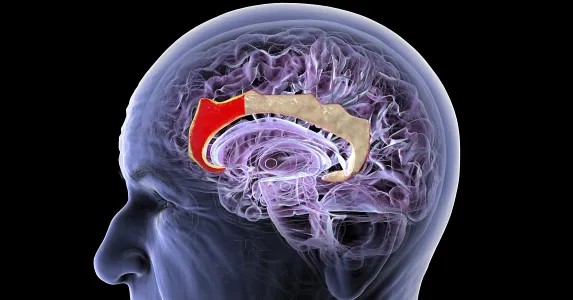
Initially, Gestala aims to treat chronic pain by stimulating the anterior cingulate cortex—the brain region responsible for the emotional component of pain. Pilot studies suggest this approach can reduce pain intensity for up to a week. The first device will be a benchtop machine for clinical use, with a wearable helmet version planned for at-home treatment under medical supervision.
Beyond pain, Gestala intends to expand into mental health (depression, anxiety), stroke rehabilitation, Alzheimer’s disease, and sleep disorders. The ultimate goal is to detect and treat abnormal brain activity using ultrasound, rather than merely enhancing cognitive functions. This means identifying brain states associated with conditions like depression and delivering targeted stimulation to correct imbalances.
How Ultrasound BCI Works: A New Approach to Neural Access
Most current BCIs, including Neuralink’s, rely on electrical signals from neurons. Gestala’s ultrasound-based interface will measure changes in brain blood flow instead, offering potentially broader access than traditional methods. CEO Phoenix Peng, previously at brain implant developer NeuroXess, explains that ultrasound could allow for “accessing the whole brain,” unlike electrical interfaces that are limited to specific regions.
Challenges and Skepticism
Despite the promise, extracting information from the brain using ultrasound faces significant hurdles. The skull distorts signals, and current research requires removing part of the skull to create a clearer “window” into the brain. Professor Maximilian Riesenhuber of Georgetown University acknowledges that delivering focused ultrasound is more achievable than reading neural activity accurately through the skull.
Gestala’s name reflects its holistic approach, inspired by Gestalt psychology’s principle that “the whole is greater than the sum of its parts.” The company’s founder, Tianqiao Chen, also established a neuroscience research institute, underscoring its commitment to the field.
Ultimately, Gestala’s success will depend on overcoming the technical challenges of signal clarity and proving the safety and efficacy of its non-invasive BCI technology. However, the company represents a significant step toward making brain-computer interfaces more accessible and less invasive.