Choosing a television in 2026 can be confusing. The market is flooded with acronyms like HDR, QLED, and ATSC 3.0, making it hard to separate marketing hype from actual improvements. This guide cuts through the noise, providing clear advice on what to look for when upgrading your home theater.
Understanding the Price Range
TV prices vary drastically based on features and performance. Here’s a breakdown of what you can expect:
- Under $500: Entry-level models from major brands (Samsung, LG, TCL, Hisense) are sufficient for basic streaming. Avoid ultra-cheap, no-name brands, as quality control is often poor.
- $500-$1,000: This is the sweet spot for 50-65 inch TVs. TCL, Hisense, and Roku offer excellent value. Premium brands like Samsung and Sony require spending more for comparable quality.
- Over $1,000: Larger screens (65 inches+) with advanced technologies like OLED, QLED, or mini-LED fall into this range. Expect higher brightness, better processing, and 120Hz panels for gaming and sports. 8K TVs are available but lack substantial content.
Choosing the Right Size
Screen size should match your viewing distance.
- Under 55 inches: Small rooms or secondary viewing areas. High-end OLED models sometimes come in smaller sizes for double-duty as computer monitors, but most under-55 inch TVs are outdated.
- 55-65 inches: The standard for most living rooms. Ensure your TV stand is wide enough if you’re not wall-mounting.
- 75 inches and above: Large spaces only. These screens dominate the room and can be prohibitively expensive. Cheaper large TVs may suffer from poor processing and uneven lighting.
Screen Resolution: 4K is the Sweet Spot
Resolution refers to pixel density. Modern TVs offer:
- 1080p (Full HD): Becoming obsolete except in budget models.
- 4K UHD: The current standard. Offers four times the pixels of 1080p, resulting in sharper images.
- 8K UHD: Expensive and largely irrelevant due to lack of content. Pixel density is so high you likely won’t see a difference unless you have a very large screen or sit close.
Display Technologies: OLED, QLED, and Micro LED
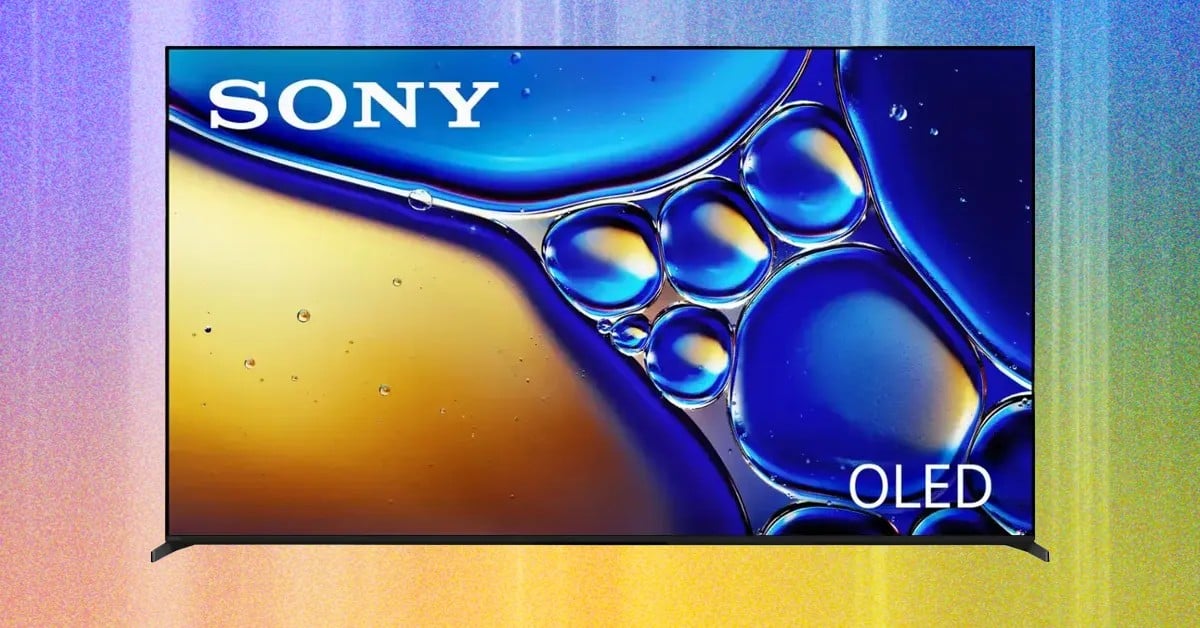
- OLED: Individual pixels emit their own light, delivering perfect blacks and high contrast. Brightness used to be an issue, but the latest OLEDs (like LG G5) are now bright enough for most environments.
- QLED/Mini-LED: LED TVs with quantum dot technology for improved brightness and color. Still brighter than OLED, but lack the perfect blacks.
- Micro LED: Emerging technology combining the benefits of OLED (self-emissive) and LED (high brightness). Currently very expensive and not widely available.
High Dynamic Range (HDR) Explained
HDR expands the range of colors and contrast, making images more realistic.
- HDR10: The baseline standard, supported by almost all modern TVs.
- Dolby Vision/HDR10+: Advanced formats that adjust brightness and contrast on a scene-by-scene basis. Dolby Vision is more widely available.
- Dolby Vision 2: Newer HDR tech that promises even better performance, but requires a compatible TV.
Gaming Performance: Refresh Rate and Input Lag
Gamers should prioritize:
- Refresh Rate: 120Hz or higher for smoother motion.
- Input Lag: The delay between input and on-screen action. Lower is better.
- HDMI 2.1: Required for advanced gaming features like Variable Refresh Rate (VRR) and Auto Low Latency Mode (ALLM).
Next-Gen TV: ATSC 3.0 and Beyond
ATSC 3.0 (NextGen TV) is the next-generation broadcast standard, offering 4K HDR content over the air. However, content is limited and requires a compatible TV and antenna. HDMI 2.2 (announced at CES 2025) offers higher bandwidth but isn’t essential for most viewers.
Sound Matters Too
Don’t rely on built-in TV speakers. A soundbar or bookshelf speakers will dramatically improve audio quality.
Conclusion:
Buying a TV in 2026 means navigating a complex landscape of technologies and marketing jargon. Prioritize screen size, resolution (4K is ideal), and display type (OLED for contrast, QLED for brightness). For gaming, focus on refresh rate and input lag. With careful research, you can find the perfect TV for your needs and budget.