Global economic competition is more than just a buzzword. This is the defining battle of modern geopolitics. A country’s economic strength directly determines its influence on the world stage. This ranking identifies the 10 countries that currently have the most significant financial power. The selection criteria are very strict and include nominal GDP, export capacity, industrial output and overall market depth.
These are more than just numbers. These are the driving force that drives international trade and sets the pace of global markets.
1. The United States
美国仍然是无可争议的重量级冠军。 其经济规模庞大、多元化,并深度融入全球金融体系。 这种主导地位使美国能够制定标准、影响货币价值并吸引最大份额的外国直接投资。
为什么这对你很重要? 因为美国经济的健康状况会波及其他所有市场。 当华尔街打喷嚏时,世界其他地方就会感冒。 美国消费和生产的巨大规模创造了一个引力井,将资源、人才和资本拉向其边境。 这不仅仅是规模大的问题。 这是关于成为其他一切的参考点。
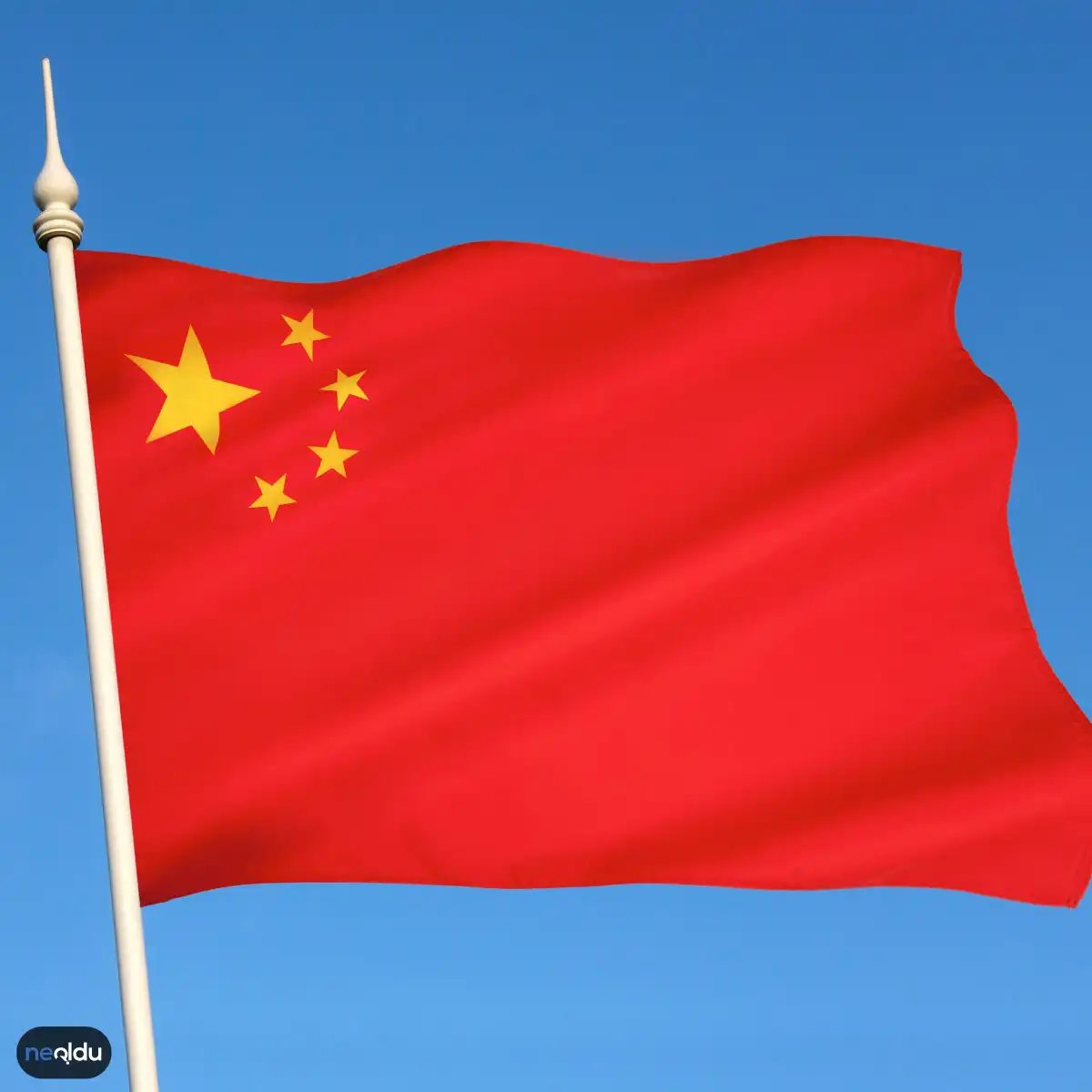
2. China
Although China has established itself as the world’s second largest economy, the gap with the United States is still large. China’s gross domestic product (GDP) hovers around $17.7 trillion (nominal), and its sheer scale has caught the attention of global markets. Although the United States leads overall output, China is often mentioned in discussions of purchasing power parity (PPP), and its economic impact is more pronounced due to lower local costs of living and production.
What drives this growth? Manufacturing and exports. There is a reason why China is called the “factory of the world”. It controls global supply chains for electronics, textiles and machinery. This industrial strength is supported by an extensive infrastructure network and a growing consumer base that is gradually shifting from export dependence to domestic consumption.
However, the image is not uniformly bright. China’s economy is currently undergoing a complex transformation.
- Property Sector Struggles : The housing boom, which was once a significant engine of growth, has cooled down sharply. Large development companies face a liquidity crisis, which is reflected in the entire economy.
- Demographic Headwinds : An aging population and a shrinking workforce create long-term structural challenges that cannot be easily met, no matter how much production the factory has.
- Geopolitical tensions : Trade tensions with the US and other Western countries are accelerating supply chain decoupling, forcing Chinese companies to diversify into Southeast Asia, Africa and Latin America.
Despite these headwinds, China remains an important player. Its advantages in renewable energy technology, electric vehicle production and rare earth mineral processing give it an impact beyond simple GDP figures. For investors and companies, understanding China means looking at these structural changes in addition to overall growth.
Where does the USA rank in comparison? The US economy is driven by service industries and consumption, and it pays more attention to innovation and financial markets. China’s model is still heavily dependent on state-led investment and production. Both economies are important, but the way they operate is very different.
3.日本
中国的崛起是不懈的。 如今,它已成为世界第二大经济体,国内生产总值约为 17.72 万亿美元。 不过,这种体积不仅仅与尺寸有关。 这与密度有关。 庞大的人口加上强大的制造能力使中国成为全球最大的出口国。 再加上对技术和创新的大量投资,经济杠杆只会增加。
3. Japan
While China grabs the headlines for its explosive growth, Japan remains a quiet powerhouse. It has always held the title of the world’s fourth largest economy. This isn’t a new achievement; it’s a sustained one. For decades, the country has withstood changes in the global market without losing its footing.
Why is Japan so important in the current economic situation? This is not just a matter of nominal GDP figures. It’s about stability. In a world where emerging markets are volatile, Japan acts as a counterweight. Its economy is not driven by cheap labor but by valuable export products such as automotive technology, robotics and electronics. This structural difference is important for investors looking for resilience rather than just raw velocity.
Although the yen has been under pressure in recent years, Japan’s industrial base remains strong. Companies like Toyota, Sony and Nintendo do more than just sell products. They define the global standards in their field. This technological moat protects companies from the direct competition that plagues low-margin manufacturing plants.
For those concerned about global capital flows, Japan offers a specific set of trade-offs. While exchange rate fluctuations can be a headwind for domestic investors, they make Japanese assets more attractive to foreign buyers. This is a classic play on valuation versus quality. China’s challenge is rapid expansion and market share, but Japan’s challenge is maintaining its advantage in mature, high-barrier industries.
Which path will give you a better risk-adjusted return? The answer depends entirely on your timeframe. Short-term volatility can be profitable. Long-term structural stability benefits the other. Yes, Japan’s economy has matured. But maturity does not mean stagnation. This means efficiency. In the financial sector, efficiency is often more profitable than advertising.

Germany punches well above its weight in the global economic arena. It is a heavyweight in engineering and industrial manufacturing, leveraging a reputation for precision that has made its brands household names worldwide.
The Engine of European Trade
While Japan is often synonymous with consumer electronics and automotive innovation, Germany’s economic power is anchored in heavy industry, machinery, and high-end automotive engineering. The country consistently ranks as one of the world’s top exporters, driven by a robust manufacturing base that supplies everything from industrial robots to luxury vehicles.
The German model is distinct. It relies heavily on a skilled workforce and a strong network of small and medium-sized enterprises (often referred to as Mittelstand ). These mid-sized companies are hidden champions in niche markets, producing specialized components that are critical to global supply chains. This decentralized strength provides resilience, but it also means the economy is deeply tied to global industrial demand.
Tech and Innovation
Germany is not just about traditional manufacturing. It is increasingly becoming a hub for tech innovation, particularly in fintech, e-commerce, and industrial software. Berlin has emerged as a significant startup hub in Europe, attracting talent and capital that previously flowed elsewhere in the continent. The government has also invested heavily in digital infrastructure, recognizing that future competitiveness depends on blending its industrial prowess with digital agility.
However, the transition isn’t without friction. Energy costs have been a persistent challenge, especially following geopolitical shifts in Europe. The reliance on imported energy has forced a rapid pivot toward renewable sources and energy efficiency, a move that is reshaping the industrial landscape. Companies are under pressure to decarbonize, a process that requires significant capital investment and operational overhauls.
Economic Outlook
Germany’s GDP remains one of the largest in Europe, though growth has been slower compared to some of its Asian counterparts in recent years. The economy is currently navigating a period of transformation, balancing the need for green investment with the preservation of industrial competitiveness.
For investors and businesses, Germany offers stability and access to the heart of the European market. The currency, the euro, is a major global reserve currency, providing a layer of financial security. Yet, the regulatory environment is strict, and labor laws are protective. This means higher operational costs but also a stable, predictable business climate.
The question remains whether Germany can successfully integrate digital innovation with its traditional industrial strength fast enough to maintain its edge. The answer will likely determine not just Germany’s future, but the trajectory of European manufacturing as a whole.
5. India
India ranks fifth on this list, making it Europe’s largest economy with a GDP of $4.324 trillion. But it’s not just economies of scale. India’s high industrial output, high-tech companies and quality engineering jobs make it an economic leader in Europe. The country also plays an important role in international trade thanks to its export-oriented economic model.

6. United Kingdom
Britain’s economic influence no longer derives from sheer size, but from historical clout and professional strength. With a GDP between $3.1 trillion and $3.2 trillion, it remains an important part of the global financial landscape. When you look at the size of about 67 million people, you might think that it is not that big compared to India or China. This is wrong. In particular, the density of valuable services in London far exceeds the population share.
Financial services are the driving force here. The City of London is not only the banking center of the country; Global hub for insurance, wealth management and expert services. This creates a unique economic structure in which a small portion of the workforce produces a disproportionate share of national output. This has nothing to do with manufacturing widgets at scale. This is the intellectual capital and regulatory framework that other countries want to emulate.
Technology and life sciences are secondary factors. The Cambridge-Oxford biotech cluster rivals Silicon Valley on the innovation density, if not on the scale of venture capital. Great Britain exports knowledge, medicine and creative industries as much as cars and finance.
However, there are trade-offs. Dependence on services makes the economy highly vulnerable to global financial shocks. When credit tightens in New York or Asia, London feels it almost immediately. The post-Brexit situation has added friction to trade and labor mobility, forcing a reassessment of how the UK integrates with its European neighbours. However, the flexibility of the legal system, the dominance of the English language and the advantages of time zones keep it up to date.
Investors often ask which markets offer the best balance between stability and growth. Yes, the UK is stable, but growth is quieter and more structured. This is a mature market. No emerging country’s GDP grows by 7 percent per year. In return, you get dividends, stable corporate profits and a deep and liquid stock market.
The currency, the pound, fluctuates based on the Bank of England’s interest rate decisions and the development of the wider euro area. For companies planning to expand, Great Britain is the gateway to Europe and a bridge to the Commonwealth. It is not the fastest growing. However, in the financial industry, speed is not always the most important metric. There is liquidity. There are a lot of them in the UK.
7. France
If the Britain’s dollar figures is a shocker, France will provide a different kind of weight. It’s not just the balance sheet numbers that matter, but also the underlying structure. France is consistently one of the world’s largest economies, often competing for second place behind Germany in the Eurozone and the wider EU. Its GDP is still between 2.7 trillion and 3 trillion euros, which has significant global implications, despite the currency switch from the pound to the euro.
What is the essence of this power? Diversification of industry. You can’t talk about France without looking at the aerospace industry. Airbus is more than just a company. It is a continental mainstay with deep roots in French engineering and manufacturing. Unlike London, this is not a service-based economy. France builds things. Airplanes, trains, high-speed TGV networks, nuclear energy infrastructure. These are tangible assets that drive export earnings and technological autonomy.
Why the French economic model resists easy comparison
So which sector make up the majority of jobs? It’s a mix. Tourism remains an important engine, making Paris a magnet for global capital and culture. But look carefully at the luxury. Companies like LVMH, Kering and Hermès do more than just sell products. They export prestige. This industry allows France to maintain high margins and a global brand dominance that few other countries can match. This is soft power that can be hardens into hard currency.
“France’s economic resilience lies in the combination of state-led industrial policy and the dominance of luxury goods in the private sector.”
How does this compare to the UK? The UK is heavily dependent on financial services and real estate. France balances its economy on agriculture, manufacturing and energy independence. The latter is key. While other countries struggle with energy imports, France’s heavy investment in nuclear power insulates it somewhat against global gas price shocks. This is a structural advantage that affects inflation and consumer purchasing power differently than in neighboring countries.
The trade-off? Bureaucracy. Labor legislation is strict. Hiring and firing are complex. While this protects workers, it may stifle rapid startup agility compared to the US and parts of northern Europe. This system is engineeringed for stability, not speed. But it holds. The Paris Stock Exchange (Euronext Paris) is still an important liquidity center for European companies, which reinforcing the nation’s financial clout.
Inflation has hit, as it has everywhere. Disruptions in the supply chain are testing the logistical networks. But the underlying demand for French exports, whether wine, machinery or pharmaceuticals, remains stable. The currency, the Euro adds complexity. France cannot control its own monetary policy. the European Central Bank does. This means that interest rate decisions in Frankfurt or in central areas near Frankfurt directly affect mortgages and business loans in France. A rate hike at ECB headquarters is a rate hike in Lyon.
There is also a demographic shift. The aging population is putting pressure on the pension system, this is a political landmine. The government is always torn between fiscal responsibility and social contract. It is a tightrope walk.
ルネッサンス Let’s take a look at the recent progress made by the government. 税

France has long been a heavyweight in the global economy, driven by its powerful mix of culture, tourism, and the luxury goods sector. With a GDP hovering around $2.965 trillion, the nation leverages its global brand recognition and influence in art and fashion to maintain economic strength. But it isn’t just about champagne and couture. France also sustains its economic footprint through robust activity in agriculture, aerospace, and automotive industries.
While France dominates the traditional luxury and cultural exports, another major player is shifting the narrative in a different direction.
8. Brazil
Brazil stands as the economic powerhouse of South America, offering a stark contrast to the established industrial models of Europe. As the eighth-largest economy globally, it is defined less by luxury brands and more by raw resources and agricultural dominance.
How does Brazil sustain its economic size?
The answer lies in its natural endowments. Brazil is not just a country; it is a continental resource hub. It leads the world in coffee production and is a top exporter of soybeans, beef, and poultry. This agricultural prowess provides a stable, albeit volatile, foundation for its GDP.
Where does Brazil’s industrial strength lie?
Beyond the farm, Brazil has developed a surprisingly diversified industrial base. It is home to Embraer, one of the world’s largest aircraft manufacturers, competing directly in the commercial aviation sector. This mirrors France’s own aerospace strengths, showing that Brazil is not solely an agrarian economy. It also possesses a significant steel and mining sector, feeding global manufacturing demands.
Why is Brazil considered a key emerging market?
For investors and economists, Brazil represents the classic “frontier” opportunity mixed with inherent risk. It has a large domestic consumer market with over 215 million people. This internal demand allows it to withstand some external shocks better than smaller, export-dependent economies. However, the country faces structural challenges, including bureaucratic hurdles, income inequality, and currency fluctuations, which can impact foreign investment returns.
Comparing Brazil to established economies:
Unlike France, where high-value services and luxury goods drive a significant portion of growth, Brazil’s growth is heavily tied to commodity cycles. When global demand for iron ore or soybeans rises, Brazil’s economy tends to surge. When those prices dip, the economy contracts. This makes its economic trajectory more cyclical and less predictable than the service-oriented economies of Western Europe.
Brazil’s role in the global financial system is evolving. It is increasingly seen as a critical supplier of food security and industrial materials. While it lacks the centuries-old brand heritage of French luxury houses, its ability to feed and fuel the developing world gives it a unique and indispensable economic position.
The question remains: can Brazil transition from a resource-dependent economy to one driven by innovation and high-tech manufacturing? The current industrial policies suggest a push in that direction, but the road is uneven. For now, Brazil’s economic weight is firmly anchored in the earth and the sky—farm fields and aircraft factories alike.
Why Brazil leads Latin America
Brazil is not only the largest economy in Latin America; it is the only one with a truly global reach. Its gross domestic product (GDP) is about $2.47 trillion, which is superior to its neighboring countries. It’s not just about size. What matters is the engine that produces these numbers. Agriculture is huge. Mining is huge. Both energy production and manufacturing use this beast.
This country is rich in natural resources. This country produces food for the world. These mines provide the minerals the world needs to build everything from telephones to bridges. This, together with the large domestic population looking for goods and services, keeps the business cycle self-sufficient. It is a regional leader by default, but it is also a leader by design.
The industrial sector is also growing. They are not stuck in the past. There is a serious push in the direction of renewable energy. Hydropower is the most important source of energy. Solar and wind power are making progress. This potential can support growth even if commodity prices fall. This is a hedge against volatility. A buffer in times of global market turmoil.
加拿大同行
然后是加拿大。 名单上排名第九。 这是完全不同的野兽。 不是拉丁美洲。 北美。 但它值得尊重。 当然,它的经济与美国息息相关。 但它本身就很强大。 活力。 资源。 稳定的银行体系。 这些是支柱。
加拿大不需要喊叫。 它不需要是最大的。 它只需要可靠即可。 在金融领域,可靠性就是货币。 该国向南北出口能源。 它开采矿物。 它种植谷物。 剧本很简单。 执行得好。 重复。
比较巨人
为什么这种比较很重要? 因为它显示了实现经济影响力的两条途径。 巴西依靠的是数量。 规模。 巨大的内部市场。 它是不稳定的。 这很令人兴奋。 这是有风险的。 加拿大依靠稳定。 基础设施。 机构信任。 速度比较慢。 它不那么华而不实。 更安全。
投资者两者都看。 他们看到了巴西经济增长的好处。 他们看到了加拿大结构的安全性。 两者都不完美。 两者都有缺陷。 巴西打击政治动荡和腐败。 加拿大致力于解决住房负担能力和对单一邻居的依赖问题。 每个人都必须穿越自己的雷区。
我们的教训不是要二选一。 这是为了了解驱动他们的因素。 巴西在大宗商品和消费方面采取行动。 加拿大在资源和贸易协定方面取得进展。 了解其中的差异有助于您理解新闻。 它可以帮助您预测油价下跌时会发生什么。 或者当利率上升时。 或者当贸易协议破裂时。
是什么推动了数字
这不是魔法。 It’s mechanics。 巴西经济首先感受到风向的变化。 南方干旱了? 黄豆掉落。 首都的政治丑闻? the real weakens。 中国的繁荣? 巴西出售更多铁矿石。 它很敏感。 它是反应性的。
加拿大也有类似情况,但有所缓冲。 美国经济在很大程度上决定了它的命运。 但其多元化的能源部门提供了一些隔离。 它生产石油。 它生产水力发电。 它生产铀。 一个部门打喷嚏,其他部门可能会感冒,但整个身体不会崩溃。
韩国的拳头远超其重量级别。 它在地图上是一个小国,但就经济产出和技术影响力而言,它是一个巨人。 该国已从 20 世纪 50 年代饱受战争蹂躏的农业社会转变为世界领先的高科技产品出口国之一。
这不仅仅是运气。
这是一项深思熟虑的、国家指导的战略,优先考虑教育、基础设施和重工业。
结果呢?
一个深度融入全球供应链的经济体,特别是在半导体、造船和汽车制造领域。
The Chaebol Effect and Market Dynamics
It is impossible to talk about South Korea’s economic model without mentioning the chaebols, the large family-owned companies that dominate the market. Companies like Samsung, Hyundai, LG and SK Hynix are not just companies, they are national economic engines of this country’s economy. These make up a large part of the country’s gross domestic product and exports.
This structure has advantages and disadvantages. On one hand, it allows quick decision-making, large capital investments and coordinated national goals. On the other hand, it creates a highly concentrated market and small businesses often struggle for resources. While the government is pushing to rebalance this and promoting startups and innovation outside of the chaebol framework, the legacy influence remains significant.
Tech Dominance: Semiconductors and Beyond
South Korea is the world’s leading semiconductor manufacturer. It dominates the global dynamic random access memory (DRAM) and flash memory chip markets. If you need memory for your phone, laptop or car, chances are it has a Korean chip.
In addition to chips, the country is also the largest exporter of cars and petrochemical products. Shipbuilding is another pillar. South Korean companies compete directly with China and Japan for the most complex and valuable vessels, including liquefied natural gas (LNG) tankers. Diversification into high technology, heavy industry and consumer electronics has made the economy more sustainable, but it is not immune to global disturbances.
教育引擎和人力资本
秘密成分? 对教育的文化和系统的痴迷。 韩国学生在数学、科学和阅读方面的表现一直位居世界前列。 这种高水平的人力资本提供了一支技术熟练的劳动力队伍,可以吸引外国投资并推动创新。
然而,这需要付出高昂的社会成本。 学生面临的压力很大,这体现在课外辅导的高额支出和高考的艰苦性上。 好处是显而易见的:有文化、技术熟练的人口。 该国的低出生率和高青年失业率是显而易见的弊端,这些挑战威胁着长期经济稳定。
Consumer price index and economic challenges
Inflation has recently become a serious problem. Like many countries, South Korea faces price pressures due to global energy costs and supply chain disruptions. The Bank of Korea raised interest rates to cool demand, leading to a collapse in consumer spending and business investment.
The Consumer Price Index (CPI) varies and affects household budgets. Young people in particular feel the pressure. Housing costs in Seoul are very high, creating a wealth gap between property owners and non-property owners. This difference increases social tensions
South Korea’s economy doesn’t just grow. It accelerates. Built on a foundation of relentless innovation and high-tech manufacturing, the nation has carved out a spot among the world’s most competitive markets. We are looking at a GDP hovering around 1.82 trillion dollars—a figure driven by sectors that define the modern digital age: semiconductors, telecommunications, automotive, and electronics.
The infrastructure here is thick. High-speed internet isn’t a luxury; it’s a utility. Mobile technology penetrates every layer of daily life. Investment in scientific research flows like capital into a venture fund, fueling economic expansion. But South Korea isn’t the only player. The global economic map is crowded, and each nation plays a different position.
Who Holds the Economic Crown?
If you ask which country leads the world economy, the answer remains the United States. It’s not close. The U.S. stands at the top due to a massive Gross Domestic Product and an industrial base that rarely falters. It dominates in services, finance, and technology. The sheer scale of its domestic market allows it to dictate trends rather than follow them.
The Rapid Ascent of China
Then there is China. This is the country that has risen with terrifying speed. Its economic trajectory over the last three decades is a study in scale. A massive population provides both a labor force and a consumer base. Combined with an unmatched production capacity, China has become the world’s largest exporter. It manufactures everything from widgets to complex machinery. The shift is from low-cost assembly to high-tech innovation, but the volume remains the engine.
Japan’s Tech and Trade Dominance
Japan offers a different model. It is a technology giant with deep roots in export power. You see it in the cars on the road and the electronics in your home. The automotive and telecommunications industries there are not just strong; they are foundational to the global supply chain. Japanese engineering focuses on precision and reliability. This reputation allows the country to remain one of the world’s top exporters, moving high-value goods across borders with consistent quality.
The Industrial Heart of Europe
Look west to Europe, and the economic leader is Germany. It holds the title of the continent’s largest economy. What makes it tick? Industrial production. High-tech companies. Quality engineering. German manufacturing is synonymous with durability and efficiency. It drives the European economy through exports of machinery, vehicles, and chemical products. The focus is on B2B relationships and specialized industrial output.
Culture, Luxury, and Tourism in France
France operates on a different axis. It leads in culture, tourism, and the luxury goods sector. Think of fashion, art, and fine dining. These aren’t just cultural exports; they are economic powerhouses. Global brands originating in France command premium prices worldwide. The tourism industry brings in revenue from visitors seeking history and lifestyle. It’s an economy fueled by brand equity and aesthetic appeal as much as by traditional industry.
India’s Demographic Dividend
Now look at India. Its economic strength is anchored in its people. The country boasts one of the youngest populations in the world. This demographic isn’t just a statistic; it’s a vast labor resource. A young workforce supports economic growth by providing labor for manufacturing and services. It also represents a growing future consumer base. As this population enters the workforce, the potential for production capacity and domestic demand expands rapidly. This demographic dividend is a key driver in India’s current economic calculations.
The Mechanics of Global Competition
Understanding these national strengths reveals how global trade functions. It’s not just about who has the most money. It’s