Beware of brief spoilers for those who haven’t read the book yet. This article details the plot, so if you appreciate surprises, read on with caution.
The story centers around Sam Gordon, a teacher who doesn’t fit the usual mold. He doesn’t just provide content; He is breaking the habit of passive acceptance. His classroom operates on a different frequency, prioritizing thinking for its own sake over rote memorization and standardized test scores.
The purpose of Gordon’s pedagogy is aggressive. He demands the students to be skeptical. More importantly, he forces them to turn their critical gaze inward, asking them to examine their own beliefs before judging the world around them.
“The goal of this course is to learn how to think, not what to think.”
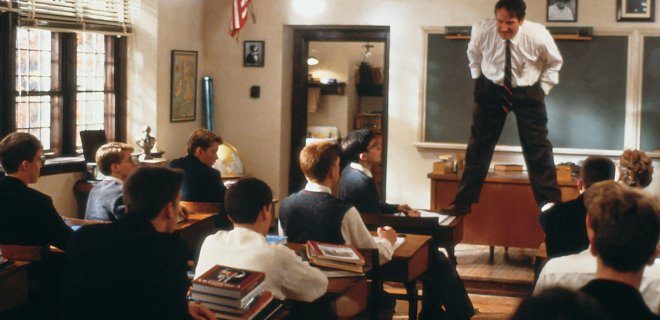
This approach inevitably draws comparisons to John Keating, the rebellious English teacher in Dead Poets Society. Like Keating, Gordon challenges the rigidity of the system. He encouraged students to question authority and social norms. But what makes Gordon’s approach unique is its focus on introspection as a prerequisite for intellectual freedom. He doesn’t want them to just read poetry. He wanted them to understand why poetry matters to them.
In an educational environment often dominated by standardized metrics, Gordon’s classroom offers a radical alternative. In this field, uncertainty is the starting point, not failure. The question is not how to get the right answer. It’s how to ask the right questions. This changes the whole classroom dynamic.
Pistachio and oil paradox in economics
Sam Gordon doesn’t just teach economics. This is his way of life. Each concept is filtered through this lens, forcing students to find hidden clues that connect everyday life to market forces. The way he maps the classic example of oil to pistachios is amazing. It is always with you.
For a while, this logic held true. You choose the nuts. You need the best shell. You act rationally. But then this analogy breaks down. The focus has shifted. Suddenly you are faced with a completely different choice. One moment the price and quantity are determined, and the next moment the price and quantity. Now another thing. Something that doesn’t fit the model.
Gordon also introduced the concept of self-interest. It is a ghost in the machine of every introductory economics course. We call them homo economicus. rational actor. This idea is simple and engaging. If everyone pursues their own interests, the whole group benefits. This is the invisible hand at work.
But do pistachios have the same effect? Or is there something else?
Real learning happens in the tension between individual motivation and collective outcome. Not in the equations. In the silence that follows every failure.

The Cost of Removed Choice
Sam wasn’t the type to back down from an argument, especially when it came to freedom. Here are two quotes directly from the book. Because these quotes suggest a tension between protection and autonomy.
“By limiting people’s choices, even in the name of helping people, we distance ourselves from responsibility.”
This is more than just philosophy. This is economics. The moment you add choice to the equation, the subject becomes human. The person choosing must also bear the costs.
“A parent’s goal is not only to protect their children from physical harm, but also to teach them to deal with danger and appreciate the world.”
If children lose their parents before they understand this, they will be left alone. They are looking for someone to protect them in any crisis situation. They never learn to live alone.
Hypocrisy of the uninsured
Sam is a complex character. Laura Silver describes him as confident but annoyed when people tried to force their opinions on her. He doesn’t have insurance. He does not believe in charity for charity’s sake. Yet he gives money to beggars.
Why?
If a beggar spends money on something harmful, that is his decision. Sam refuses to interfere with his own choices, Sam extends the same courtesy to others. He practiced the golden rule in reverse: do unto others as you would have them do unto you.
Laura is an English teacher who loves teaching through poetry. She quotes lines like “We waste our strength by acquiring and spending” and “Even the foot cannot feel when shod with a shoe.” This book uses these to argue that the pursuit of material comfort diminishes our ability to truly feel.
There was a heated argument between them about teachers’ salaries. Laura points out that the wages are low. Sam replied that raising wages would increase the number of applicants and make selection impossible. It’s a trade-off. There can be no high wages, no high production, no easy options. It doesn’t work that way.
Stop complaining and take action
Laura complained about the system. Sam tells her:
“Life gets better when you stop complaining about the circumstances around you. Stop complaining and do something about it.”
That line cuts through the noise. It separates those who talk about change from those who make it happen.
Naturally, companies seek profit. But they also need continuity. If you exploit consumers for short-term profits, you will lose your customer base. Therefore, giving is more than charity. They are signals. They show that you care about the ecosystem in which you operate.
Sam influences everyone around him. His logic is cold but consistent.
“To attract a skilled workforce, you must offer wages and working conditions that are competitive with your competitors.”
“The way to seize a profit opportunity is to understand what customers want and supply it at the cheapest possible cost.”
The Invisible Heart of the Market
When someone mentions having many product options, Sam pointed out the reality of the market. The innovators won first. Then competition arrives. Prices are going down. Margins shrink.
Inflation masks this effect. to see the real service the market provides, we need to remove inflation from the price and income data. Competitors who offer better service at a lower price gain an advantage.
At the bottom of the market is the “invisible heart”. This is a twist on the “invisible hand”. It suggests a natural balance. The mediocre lose out over time. The good win. This is not magic. This is survival of the fittest economically.
The Dictator’s Paradox
Sam throws a curveball to his students. Imagine they’re dictators for a day. They can pass only one law. What would it be?
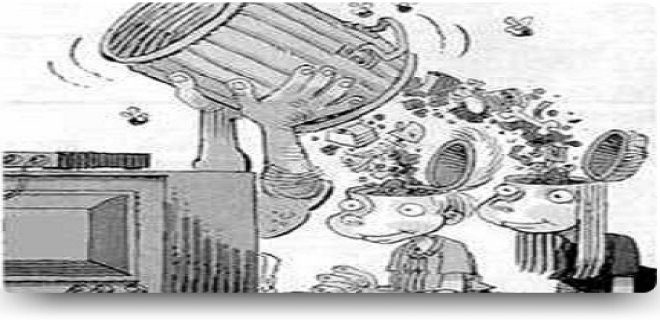
Sam says he’d ban television.
But he wouldn’t enforce it.
In his opinion, television isolates people from reality and from each other. Yet banning it would be wrong. A good life includes bad days. Some things are human nature. When the state prohibits natural impulses, life ceases to be life. What is the point if the state enforces the ban? The decision became meaningless.
The hidden benefits of private charity
Laura assembled it quietly. Sam wasn’t failing his students. He pushing them hard because he wants them to think. The risk of expulsion is real, but the real lesson is how we view society. He used his classroom like a lab. He wants his students to look at social problems and question standard answers.
This shows a tough stance towards poverty. Sam doesn’t believe in relying on state aid. He argues against to government intervention. His views are blunt.
“The ideal is to give without asking. out of compassion. A world where state care about the poor removes compassion from life.”
This is a harsh take. But it forces a discussion about human dignity. State aid often comes with strings attached. Or the personal desire to help disappears.
Why private aid can beat taxes
Let’s look at it from another perspective. It’s all about efficiency. Private charity may not be able to raise as much money as taxes. But it avoids taxation.
Taxation creates a monopoly on giving. When the government collects money for the poor, it becomes the only game in town. Private initiatives offer a choice. They compete for goodwill. This type of competition can lead to better outcomes than state monopolies.
The Invisible Economy
Sam also talked about price drops. When a firm lower their prices, customers save money. They don’t just keep that cash. They spend their money on other things. This boosts to other sectors. The visible effect is a decrease in company making less profit. The invisible effect are the ripple of activity elsewhere.
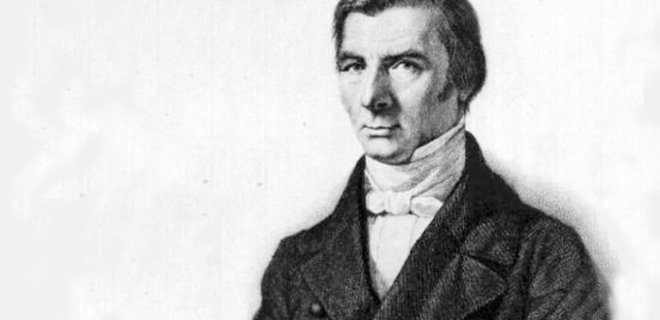
This is Frederic Bastiat’s unseen concept. We tend to focus on immediate hit. We see a decline in profit margins. We miss the spending that happens next. Sam agrees.
“To be a good economist, you must look at the invisible.”
It’s a reminder that every action has a hidden ripple effect. Ignoring it can lead to bad policy. Sam’s classroom was a place to practice seeing things that others miss.
Rethinking Intervention
This book challenges the reader. Do you believe that the state can solve the poverty, or do you believe in individual actions? Sam’s answer was clear. State aid kills the spirit of helping. It creates dependency. Personal help keeps the human element alive.
Laura understands that. He found Sam’s approach worked. The students thought. they asked questions. This is the real goal. It’s not just about passing the exam. But understand how the world works.
This debate remains unresolved. However, the evidence supporting private charity is strong. I respect freedom. It encourages compassion. It avoids state-controlled monopolies.
Sam’s fate at school remains uncertain. But his thoughts were clear. Otherwise, as you can see. See what you can’t see. Here is the truth.
The classroom is his stage. Lessons are life. Whether he stayed or left, the students learn to think. This cannot be removed by any policy.
The invisible core of trading
The story ends with a strange twist. Sam gave the beggar juice instead of money. He broke his own rules. What is the reason? He might be close to Laura.
Laura did the same in front of him. he gave money. He also broke his own rules.
Is it love? perhaps. Perhaps this is the invisible hand of the market. It guides their actions in invisible ways.
Who should decide?
Laura and Sam represent a major financial problem. Should markets operate on the basis of individual choice, or should governments intervene?
There are no easy answers. Every decision has a price. Every economic event has visible and hidden consequences.
Taxation is the most common instrument of intervention. High taxes reduce the willingness to work. Production has shrunk.
Competition is not just about products. It’s also about ideas.
Planning a good social policy is difficult. It is very difficult.