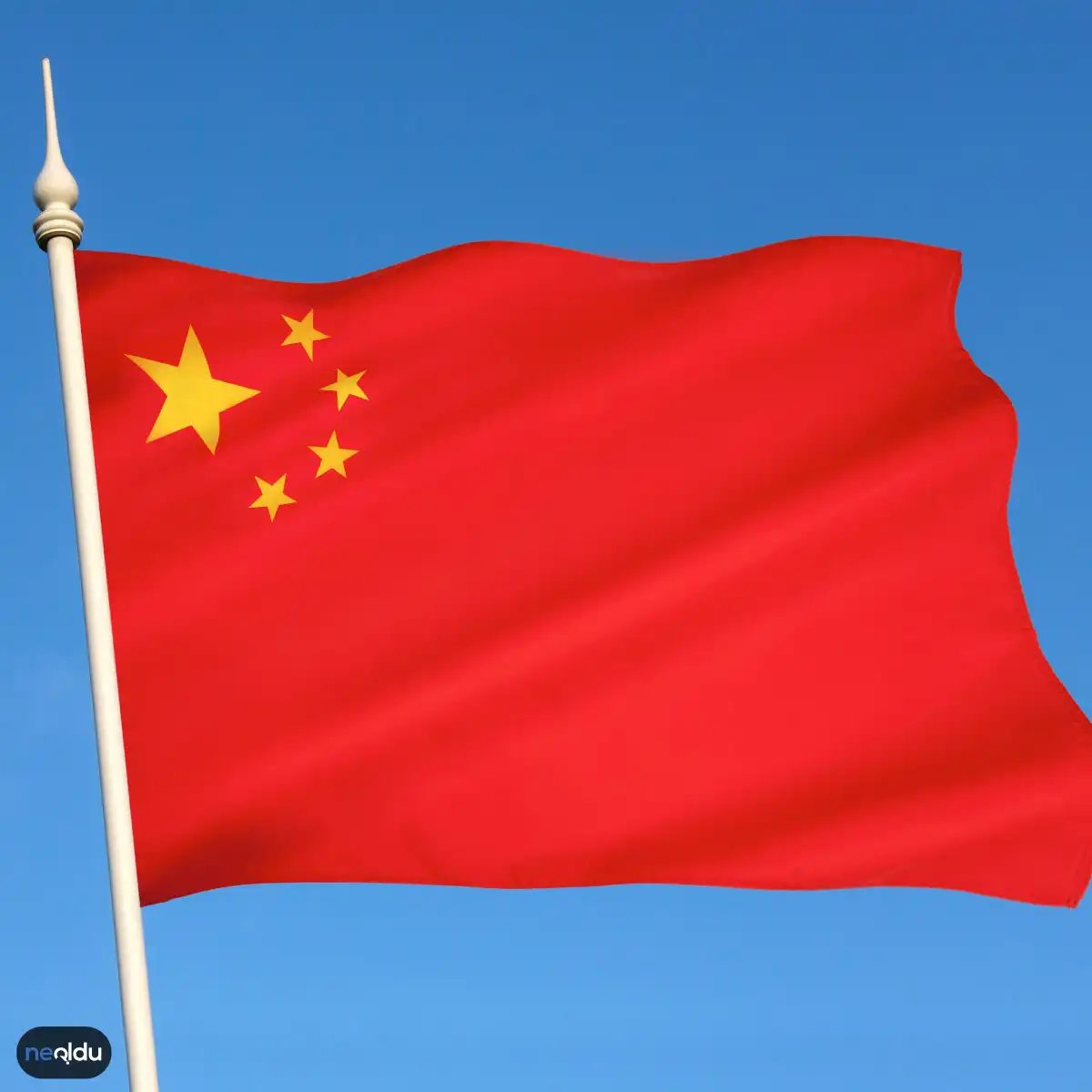
The EU and the euro area are not the same thing. They apparently overlap, but the circles don’t match exactly. All 27 EU member states participate in the internal market, which enables the free movement of goods, services, capital and people. However, only 21 of these countries have adopted the euro as official legal tender.
This distinction is important because it defines who is affected by the ECB’s monetary policy and who retains independent control over their own funds.
21-Country Euro Club
The countries that use the euro make up the “euro area”. This group includes large economies such as Germany, France, Italy and Spain. By using a common currency, these countries remove exchange rate risk from intra-regional trade and simplify cross-border trade for their citizens and businesses.
If you fly from Lisbon to Helsinki, you only need one currency for coffee, hotel and train ticket. The cost of this convenience is giving up national monetary policy autonomy. Eurozone countries cannot devalue their currencies to increase exports during a recession. We have to resort to fiscal policy or structural reforms.
The Seven Holdouts
The remaining six EU countries use their own national currencies. These countries have decided not to join the Eurozone either voluntarily or legally.
Poland, Hungary and the Czech Republic are the largest economies outside the eurozone. They still use zloty, forint and koruna. Both governments argue that their own currencies allow them to respond flexibly to local economic disturbances. A local central bank can adjust interest rates according to domestic conditions, instead of setting uniform rates across the EU.
Denmark’s EU treaties have formal opt-out provisions. This statutory exemption allows it to retain the Danish koruna indefinitely. Denmark does not have to join the eurozone. Danish voters rejected the single currency in a referendum in 2000, and the decision is still valid today.
The Legal Loophole: Sweden’s Delay
Sweden offers a unique case. Although it is a member of the European Union, it is not part of the Eurozone. Unlike Denmark, Sweden does not have a formal right to refuse. According to EU legislation, it is legally committed to adopt the euro when the convergence criteria are met.
However, Sweden has not yet set a timetable for joining. It effectively stalled by avoiding the requirement to participate in the Exchange Rate Mechanism II (ERM II), a prerequisite for the introduction of the euro. Critics see this as a legal workaround. If Sweden really wants to participate, it can fulfill the conditions. Although the Swedish krona survived when it did not join ERM II, it technically violated the spirit of the agreement it had joined.
Why Does This Split Exist?
Differences of opinion are not only an economic issue. It is also related to politics and identity. For some countries, their currency is a symbol of independence. For others, the euro is a tool for deeper integration.
Decisions to join or leave often reflect public opinion and political risk. Leaders fear that the euro’s progress during an economic recession could cause a backlash. Voters may feel that the euro is taking control of their purchasing power.
What this means for investors and companies
This split creates a complex situation for anyone trading the European market. exchange